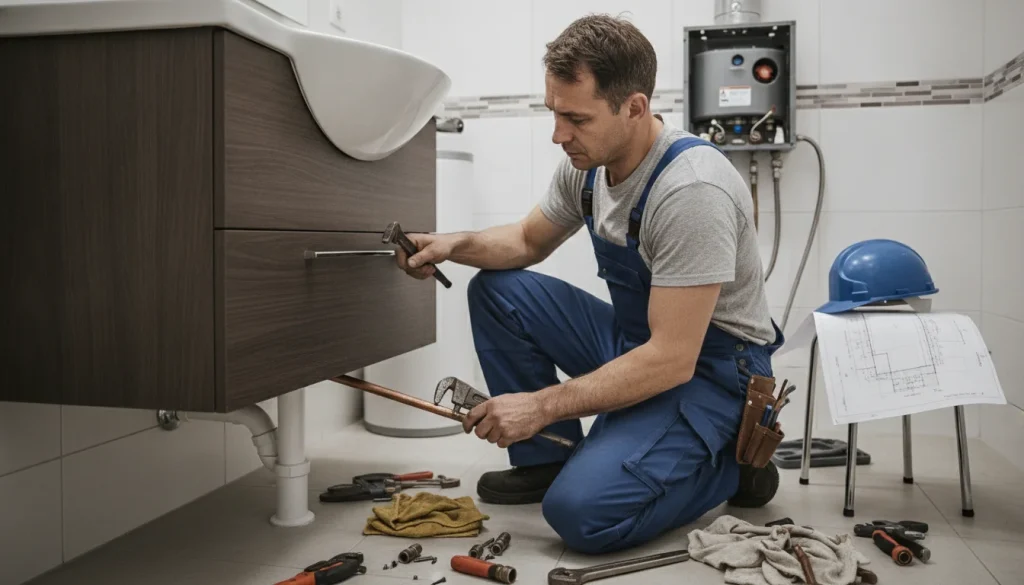
A small puddle on the kitchen floor can turn into a swollen cabinet and a saturated subfloor in minutes. In moments like this, who you call matters more than the size of the leak. If you’re asking why hire a licensed plumber, here’s the direct answer: a licensed plumber is a state‑approved professional who has passed exams, completed required training, and is authorized to install, repair, and test plumbing—bringing accountability, permits, and insurance that quick fixes don’t. In Millbrae, where older homes meet modern upgrades, that difference protects safety, water quality, and property value.
Key Takeaways
- Licensed plumbers provide code‑compliant work with permits, inspections, and documented warranties.
- Insurance and bonding transfer risk away from owners if something goes wrong on site.
- Clear quotes outline diagnostics, materials, labor, permits, and warranty terms so you can compare fairly.
- Verifying a license through your state board takes minutes and prevents costly redos.
- For emergencies and planned projects alike, licensed teams reduce risk and downtime.
Millbrae Plumbing works across Millbrae every week on urgent calls and planned projects. The team handles leak detection, blocked drains, water heater issues, and safe gas line work. For homes and businesses in Millbrae, that mix of training and duty often makes the difference between a clean repair and a second disaster.
What a Licensed Plumber Is—and Why It Matters
A license is legal proof that a plumber is trained and approved by the state to install, service, and test plumbing systems. It means the pro understands code, knows when to pull permits, and can sign off on work. That protects health, safety, and the value of the property. When pipes bring drinking water in and carry wastewater out, small mistakes can cause big harm. This is the practical answer to why hire a licensed plumber when something fails—or before it does.
Code compliance and permits: protecting safety and property value
Building codes are the rules that keep plumbing safe. Licensed plumbers follow code and pull permits for work that requires them. Permits add a plan review and inspector visit, which reduces risks like leaks, cross‑connections, and drain failures. Code requirements reflect public health science, such as preventing backflow and safeguarding water quality. Many U.S. cities use versions of the International Plumbing Code, published by the International Code Council and available online for reference (International Code Council codes). Code‑compliant work also helps with appraisals and smoother property sales.
Insurance, bonding, and warranties: who pays when something goes wrong
A licensed plumber carries proper insurance, which covers property damage or injury that may occur during the job. Bonding is a financial safeguard if the contractor fails to complete work or meet terms. Reputable pros also back their work with written warranties on labor and specified parts. If a mistake happens, coverage and warranty terms decide who pays. Unlicensed work often has no safety net—and can void product warranties on fixtures and water heaters.
Costs and Value: How Licensing Impacts Pricing, Risk, and Results
Licensed service is more than a number on a quote—it’s trained labor, safe methods, and fewer repeat visits. Costs vary by job type, access, materials, and time of day. But the overall value appears in fewer surprises and proper documentation that protects the owner. When you compare quotes, remember why hire a licensed plumber: less risk, correct permits, and records that support insurance and resale.
Licensed vs. unlicensed: true cost comparison and hidden liabilities
An unlicensed offer may look low at first. But skipped permits or wrong materials can lead to leaks, mold, code violations, fines, or denied insurance claims. Hidden costs show up later as damage repair or full re‑work. A licensed plumber plans the job, uses listed materials, and documents the work—supporting insurance coverage if a pipe bursts or a heater fails. It also helps keep manufacturer warranties valid, since many require a licensed installation.
What a professional quote includes (diagnostics, materials, labor, warranty)
A clear quote from a licensed plumber usually explains:
- Diagnostics and testing steps
- Materials and fixtures by make or spec
- Labor scope and access needs
- Permit needs and inspection timing
- Cleanup, haul‑away, and site protection
- Warranty terms and how to request service
This level of detail helps owners compare options and reduces mid‑job change orders. For complex tasks like Gas Line Plumbing or Bathroom Installations, these items set fair expectations and keep the site safe.
How to Verify a Plumber’s License and Credentials in the US
Trust starts with a quick check. You can verify a license in minutes—for emergencies and planned projects alike. The goal: confirm who will do the work and that the license is current, active, and in good standing.
Step-by-step verification with state boards and license types to know
State boards list licenses by name, number, and status. You can search by the company or the individual who will perform the work. Follow these steps:
- Ask for the license number and full legal name.
- Check the status on your state licensing site. Many directories are linked from USA.gov (USA.gov state licenses and permits).
- Confirm the scope: apprentice, journeyman, or master. Scope defines the work they may do and whether they can pull permits.
- Review any citations or complaints.
- Check insurance and bond certificates by name and policy dates.
If the job touches lead‑painted areas, confirm training under the EPA’s Renovation, Repair and Painting (RRP) rule for older homes (EPA RRP Program). For water‑heater venting or gas lines, ask about code knowledge and pressure testing.
Red flags and essential questions to ask before you hire
Watch for red flags such as no license number on paperwork, cash‑only terms, or pressure to skip permits. Vague quotes or refusal to list materials also signal risk. Ask these questions:
- Who is the license holder for this job, and will they be on site?
- What permits are required here in California?
- How will you protect floors, walls, and fixtures?
- What is the warranty, and how do I make a claim?
Clear answers build trust; evasive ones are a cue to walk away. For extra assurance in Millbrae, confirm that the name on the permit matches the license you verified.
Protecting Your Property: Choosing the Right Pro for Emergencies and Projects
Stress spikes when a pipe bursts or a water heater fails. A simple process helps you act fast and stay safe. Licensed teams handle Emergency Plumbing with the right tools and methods. For planned work like Kitchen Plumbing, the same standards keep the job smooth and compliant.
Hiring checklist for urgent calls and planned installations
When minutes matter:
- Shut off water at the main. Open a faucet to drop pressure. If gas is involved, leave the area and contact your utility from outside.
- Take clear photos of the leak, break, or heater control panel.
- Ask for the license number and active status. Confirm while you wait.
- Request a written scope for the first visit: stop the leak, make safe, then repair.
For planned jobs like Garbage Disposal Repair or Bathroom Installations, also confirm:
- Fixture choices, lead times, and venting or trap specs
- Access plans, dust control, and cleanup
- Permit timing and inspection windows
- Final test results, such as pressure or drain‑flow tests
Contracts, guarantees, permits, and payment terms that keep you safe
A simple contract protects both sides. It should list the scope, permit needs, materials, and warranty. Never pay the full amount before work starts. Tie payments to clear milestones, such as “rough‑in complete and passed inspection.” Keep copies of permits and final inspection cards. For gas lines, insist on documented pressure tests. For water heaters, keep the install sheet and serial number—many manufacturers require licensed installation for warranty support.
Conclusion
A license is not just a card—it’s verified training, code knowledge, and accountability. It brings permits, insurance, and clear records that protect health and property. In Millbrae and the surrounding neighborhoods, choosing a licensed pro reduces risk and saves time. It also supports claims and resale—exactly why hire a licensed plumber when the stakes are high. For help from a local team, Millbrae Plumbing is equipped for emergencies and planned upgrades, including drain cleaning, clogs and drain repair, water heater service, and more.
Key takeaways
- A licensed plumber safeguards safety, value, and warranty rights.
- Permits and inspections help prevent hidden risks and future damage.
- Clear quotes spell out diagnostics, materials, labor, and warranty.
- Verify licenses with your state board before any work begins.
- Use written contracts, staged payments, and final inspections.
Frequently Asked Questions
How do I check if a plumber is licensed in my state?
Use your state’s licensing site to search by name or number. Confirm status, scope, and any actions. Ask the plumber for insurance and bond certificates that match the licensed name before work starts.
What should I do first when a pipe bursts?
Shut off the main water valve, then open a faucet to drop pressure. Move items away from the leak and take photos. If water nears outlets, cut power at the main panel only if you can reach it without standing in water. Call a licensed Emergency Plumbing pro for fast, safe repairs and a plan to dry the area.
Who can help with bathroom plumbing upgrades in Millbrae?
Licensed teams handle rough‑in, venting, and waterproofing that keep a bathroom safe. Seek Bathroom Installations service from a local, insured contractor. Ask for permits where required, and get a written scope, parts list, and warranty terms.
Does a licensed plumber need special training for older homes?
Yes. Older homes can include lead paint and unique piping. For painted areas, confirm EPA RRP certification. Ask about experience with galvanized pipe, cast‑iron drains, and safe venting. Licensed pros will explain code‑compliant methods and permit needs.
One more tip
If you search “licensed plumber near me,” still verify the license and insurance. Local does not always mean licensed.
Contact us to schedule service with Millbrae Plumbing.
If you are not sure which of these you are dealing with, it is worth having someone look at it before it turns into a bigger job. Get in touch with Millbrae Plumbing today and we will tell you where you stand.