Common plumbing emergencies include burst pipes, major leaks, overflowing toilets, sewage backups, and water heater failures. These problems can put people at risk or damage a home if they are not handled quickly. Shut off water if it is safe, stay clear of electrical or gas dangers, and call a licensed plumber when the issue needs prompt repair.
Plumbing trouble can feel stressful, especially when water is spreading or a fixture stops working without warning. A calm first step can help protect people and property. This guide explains how to spot urgent warning signs, what you may safely do, and when professional emergency plumbing help is needed. The same advice can help homeowners, tenants, and business owners in Millbrae make safer choices.
Table of Contents
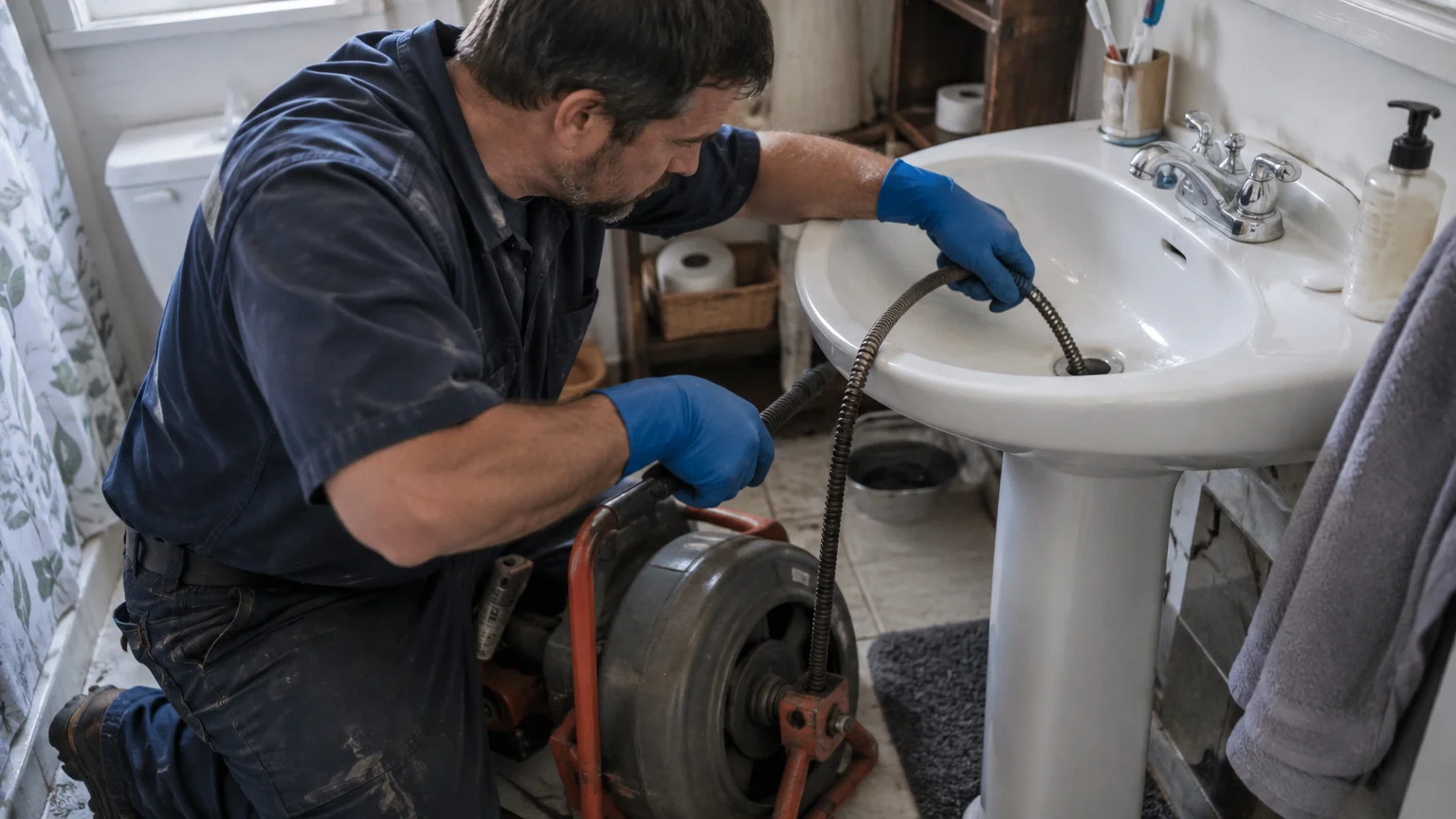
- What counts as a plumbing emergency?
- What should you do when a pipe bursts?
- When does a plumbing leak need emergency attention?
- What should you do about an overflowing toilet?
- When is a blocked drain an emergency?
- Which water heater problems need urgent repair?
- What should you do if a sewer line backs up?
- Are low water pressure or no water signs of an emergency?
- When should you call an emergency plumber?
- How can you reduce the risk of future plumbing emergencies?
- Key takeaways
- Frequently Asked Questions
- Conclusion
What counts as a plumbing emergency?
A plumbing emergency is a problem that may soon harm people, damage property, or make a home unsafe. A burst pipe, sewage inside a home, or a major leak often needs urgent help. A dripping tap or slow drain may be able to wait if the problem stays contained and no other warning signs appear.
How can someone judge the immediate risk?
First, check whether water is spreading, sewage may touch people, or water is near electrical items. A leak that reaches a ceiling, wall, floor, or electrical panel can cause harm beyond the wet spot you see. Keep people and pets away from unsafe areas. Never step into standing water when there could be an electrical danger.
A strong gas smell near a water heater or another gas appliance is a safety risk. Do not use a flame to look for a leak, and do not use switches nearby. Leave the building, then contact emergency services or the gas utility from a safe place. Stay outside until they say it is safe to return.
When can a plumbing problem wait?
A small drip may be less urgent if it is easy to catch safely and does not get worse. A toilet that runs but does not spill water is different from one that is overflowing. Even a small problem can waste water or damage a home if it continues, so arrange a repair soon.
The location matters, too. A leak above a business, shared wall, or rented home may affect other people. Millbrae Plumbing can help people assess urgent plumbing problems and understand what needs prompt attention. If the risk is not clear, take the warning signs seriously and ask a qualified plumber for advice.
What should you do when a pipe bursts?
When a pipe bursts, stop the water if you can safely reach a shutoff valve. Then protect people and belongings from the leak. Burst pipes can spread water through rooms, ceilings, and cabinets. Call a plumber for plumbing repair, especially if you cannot stop the flow or water keeps coming.
How can someone shut off the water?
If it is safe, turn the small shutoff valve near the affected sink, toilet, or appliance. If that does not stop the leak, use the home’s main water shutoff valve. Its location depends on the building. It may be near where the water pipe enters, in a utility space, or somewhere else that is easy to reach. Learn where it is before an emergency happens.
Do not enter a flooded area to reach a valve if water may have reached electrical equipment. Keep away from wet outlets, cords, and appliances. If a valve is stuck, broken, or hard to reach, do not force it. Tell the plumber what is happening and wait somewhere safer.
What can be done while waiting for help?
After stopping the water and checking that the area is safe, move furniture and valuables away from the leak. Towels or a bucket may help with a small, controlled leak. Do not try to remove water from a place where there may be an electrical danger. Take clear photos of the damage for your records and, if needed, your insurer or property manager.
Pipes can burst because they are worn, a fitting is loose, the pipe has frozen, or another kind of damage has occurred. The opening you can see may not show the full problem. Leaks & Burst Pipes service can address pipe failures, and a licensed plumber can check nearby pipes and restore safe use. Do not treat a wrap around a damaged pipe as a lasting repair. A quick fix can fail without warning.
When does a plumbing leak need emergency attention?
A leak needs urgent help when water flows freely, spreads, reaches electrical items, or damages walls, ceilings, or floors. A leak hidden inside a wall or under a floor can also be serious. Shut off the water if it is safe, stay clear of danger, and ask for a professional check when you cannot find the source.
What are signs of a hidden leak?
A damp patch, peeling paint, soft flooring, or a musty smell may point to water inside a wall or below a floor. A ceiling stain might come from a pipe above it, but the stain does not show where the leak began. Water can move away from a damaged pipe before you see a mark.
You may also hear water running when all taps are off, or see a water meter move while no water is in use. These signs do not prove there is a leak. They do mean that more checking may be needed. Do not open a wall or floor without knowing where pipes and wires run.
How can damage be limited safely?
Turn off the nearest safe valve, or the main valve if needed. Move items away from wet spots and keep people out of rooms where a ceiling sags or a floor feels weak. Do not touch wet electrical devices. If water is near an electrical panel, leave the area and ask the right emergency or utility service for help.
A small drip you can see may seem easy to manage for a short time. But water hidden from view can keep harming parts of the building. A plumber can find the source and explain what repair is needed. Homeowners and property managers can ask Millbrae Plumbing about finding leaks and urgent repairs. A prompt check can help tell a small fixture leak from a pipe problem behind a wall.
What should you do about an overflowing toilet?
If a toilet overflows, stop more water from entering before you try to clear the blockage. If the water is rising, use the nearby toilet valve if it is safe to reach. Do not flush again. If water keeps coming back or other drains are affected, the cause may be larger than one toilet.
How can someone stop more water from entering?
Gently turn the toilet shutoff valve clockwise if it works and the floor is safe. If the tank keeps filling and the valve does not work, lift the tank lid and raise the float to stop the filling for now. Do not force parts that are stuck or unfamiliar. Keep children and pets away from dirty water.
Once the bowl stops rising, a plunger may clear a simple toilet clog. Use a toilet plunger and work carefully to avoid splashing. Do not pour chemical drain cleaner into the toilet. It can harm pipes and cause a danger during later repair. If plunging does not work, stop and contact a plumber.
A toilet that keeps running is often not an emergency when it is not leaking or overflowing. You may check whether the handle is stuck or a tank part looks out of place. If the noise continues, turn off the toilet’s water supply when the valve is easy and safe to use. Then arrange Toilet Repair.
When may a blockage point to a larger problem?
If a toilet backs up while a nearby tub or sink drains poorly, or several fixtures act oddly at once, the blockage may be farther along the drain system. Clogs that keep returning may also point to a problem a plunger cannot fix. Do not flush again just to test the toilet. A plumber can look for the cause without risking another overflow.
When is a blocked drain an emergency?
A blocked drain becomes urgent when dirty water backs up into the home, several drains stop working, or water threatens floors and belongings. One slow sink may have a clog close to that sink. Several affected fixtures can point to a larger drain or sewer issue that needs a professional check.
What are warning signs of a main sewer line backup?
A sewer line carries used water away from a building. A backup may push water or waste into a toilet, tub, shower, or floor drain. Gurgling sounds, bad sewage smells, and more than one slow fixture may be warning signs. Other problems can cause these signs, so a plumber needs to check the system.
Do not use sinks, toilets, a washing machine, or other fixtures if wastewater is coming back inside. More water may make the backup worse. Keep people and pets away, and do not touch sewage. A plunger or store-bought drain product will not fix a main sewer line problem. It may also make cleanup or repair harder.
Why do multiple slow drains matter?
If several drains slow down at once, the cause may be beyond one sink. A trap is the curved pipe under a fixture that holds water and helps stop sewer gas from entering the room. A clog in one trap may affect one fixture. A deeper blockage may affect several.
You may remove visible hair or dirt from a sink stopper if the job is simple and the area is clean. Stop if a fitting is stuck, a leak begins, or the clog stays in place. Do not mix drain chemicals or use them with a plunger. Splashes can hurt skin or eyes. For clogs that return or affect several fixtures, professional drain help is safer.
If one drain is slow but there is no backup, a planned repair may be enough. If waste enters the home, act right away. Note which fixtures are affected and when the problem began. This information can help a plumber judge how urgent the job is and where to begin checking.
Which water heater problems need urgent repair?
A water heater needs prompt help if it leaks heavily, is unsafe to approach, has visible electrical damage, or is near a gas smell. A small drip near a fitting still needs attention, but finding the source matters. Turn off the unit only if its controls are safe to reach and you understand the instructions.
What should someone do if a water heater leaks?
If water comes from the bottom of a water heater, do not assume the tank is leaking. Water may come from a valve, a connection, or a nearby pipe. If water is flowing, keep clear of electrical parts. Shut off the heater’s water supply only if the valve is safe to reach.
Do not touch a wet plug, wire, or control panel. If the heater uses gas and there is no gas smell, follow the maker’s directions to turn it off only if it is safe. If you are unsure where the water comes from, leave the controls alone and call a qualified plumber. Water Heater Repair can help find the cause and decide what work is safe.
What if there is a gas smell or electrical damage?
If you smell gas, leave the building right away. Do not use a phone inside, switch lights or appliances on or off, or try to test for a leak. Once outside and away from the building, contact emergency services or the gas utility. Do not go back inside until officials say it is safe.
Keep away from sparks, damaged wires, or water near electrical parts. Do not try to dry or repair electrical equipment yourself. You may look for a puddle from a safe place, but do not go closer to find its source. A plumber or another trained worker can check the equipment after immediate safety risks have been handled.
What should you do if a sewer line backs up?
If sewage enters a home, stop using water and keep people and pets away from the affected area. Sewage can carry germs and make people sick. Call a plumber to deal with the blockage. Use trained cleanup help if the affected area is larger than a small, contained spot.
How can someone recognize sewage inside?
Wastewater may appear in a floor drain, tub, shower, or toilet. It may have a strong, unpleasant smell, but smell and appearance alone do not prove what is in the water. If more than one fixture backs up, or the problem returns after a simple clog is cleared, a sewer line issue may be the cause.
Stop using taps, toilets, washing machines, dishwashers, and other water-using items. More water may add to the backup. Do not try to clear a sewer line through a cleanout unless you have been trained. A cleanout is an opening that gives access to a drain pipe. Wastewater may come out under pressure if it is opened.
What precautions help before professional help arrives?
Keep children, pets, and people who may be at greater risk away from the dirty area. Do not touch sewage with bare hands or walk through it. If a small amount reaches a hard surface, avoid spreading it to other rooms. Do not mix household cleaners, especially cleaners made with different ingredients.
Take photos from a safe distance and note which fixtures are affected. Tell the landlord or property manager quickly if a rental home or shared building is involved. Cleanup steps depend on how far the water spread and which materials it touched. Do not assume a room is safe just because visible water is gone. Wet materials may still need careful cleaning or removal.
Are low water pressure or no water signs of an emergency?
Low water pressure is not always an emergency, but a sudden change may point to a leak, a valve problem, or a supply issue. No water may be caused by work or an interruption outside the home. Before deciding whom to call, check whether the issue affects one fixture or the whole building.
What can cause low water pressure in a house?
If only one faucet has weak flow, its aerator may be blocked with small bits of dirt or mineral. An aerator is the little screen at the end of a faucet. You may safely remove and rinse it if the faucet instructions allow. If water still flows slowly, the cause may be deeper in the fixture or pipe.
Low pressure throughout a home may have another cause. It could come from a partly closed shutoff valve, a leak, or a problem with the water supply. Look for wet areas or odd sounds, but do not open walls to search. If pressure drops quickly or keeps changing, a plumber can check the pipes and find the source.
When should someone check with the water provider?
Ask neighbors if they also have low or no water. If nearby homes have the same problem, contact the local water provider to ask about work or an interruption. If only one property is affected, check valves you can safely reach and call a plumber when the cause is not clear.
A sudden loss of water with wet floors, the sound of running water, or a visible pipe leak needs faster help. If the supply is off but there is no sign of a leak, the issue may be outside the home. Search terms such as “plumber in Millbrae” or “local plumbing service” can make your need clear. In Millbrae, choose a licensed professional with experience in the problem you have.
When should you call an emergency plumber?
Call an emergency plumber when water will not stop, sewage is backing up, a pipe has burst, or a gas or electrical danger may be present. Safety comes first. Leave an unsafe area and contact the right emergency service when needed. A plumber can then check and repair the plumbing problem.
What information helps when requesting urgent service?
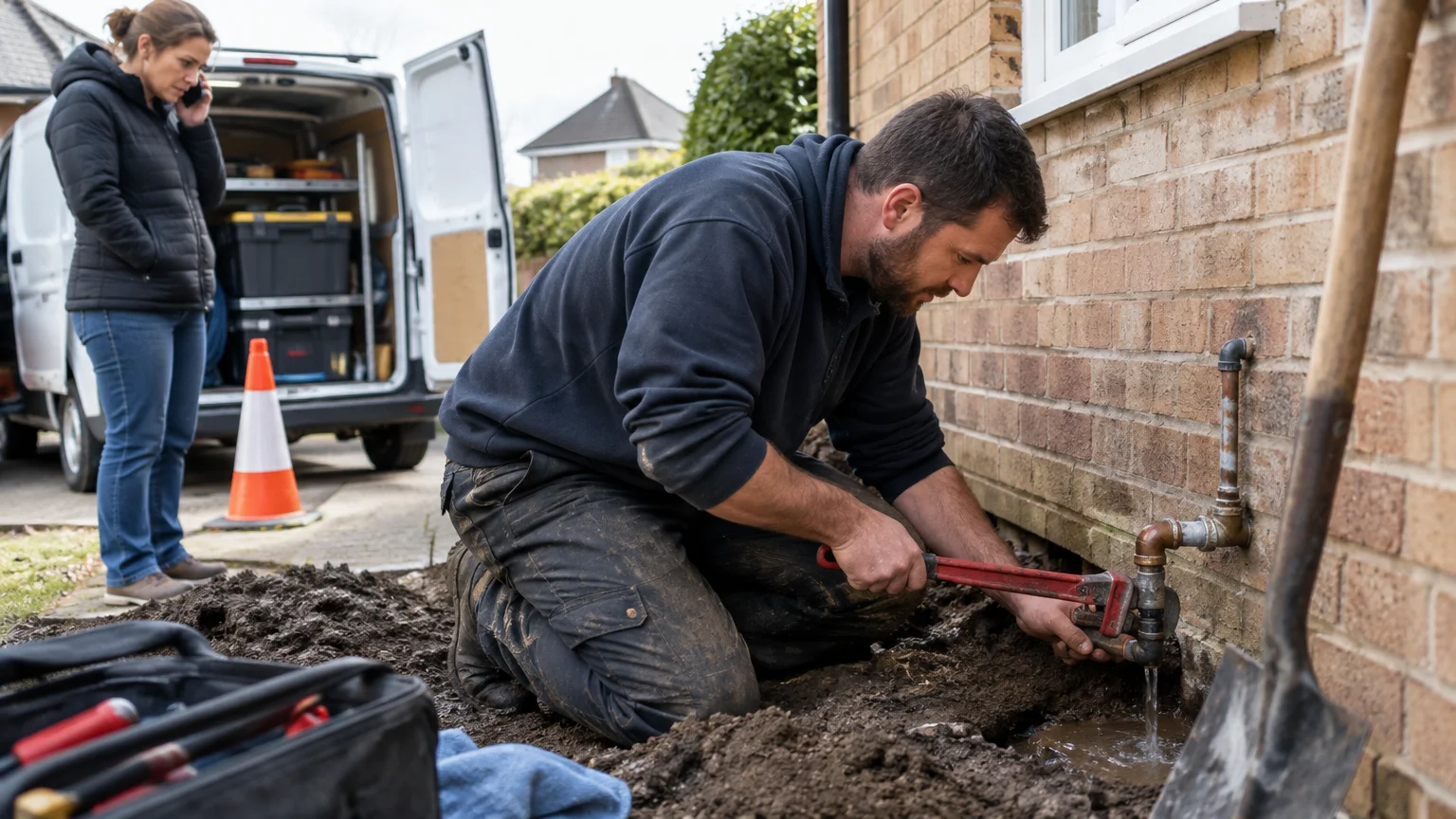
Explain what happened, when it began, and whether water is still flowing. Say which rooms or fixtures are affected and whether you used the main shutoff. Mention sewage, a gas smell, an electrical concern, or possible harm to a tenant or nearby unit. Do not enter an unsafe area just to collect more details.
Photos may help show damage if you can take them safely. Tell the plumber whether the problem has happened before and what you have tried. Do not guess at the cause. A clear account of what you see is more useful than a diagnosis you cannot confirm. A licensed plumber can decide what needs checking after arriving.
Why do recurring symptoms need a proper diagnosis?
A clog that returns, a leak that starts again, or pressure that keeps dropping may have a cause beyond the visible sign. Repeating a quick fix can hide a larger problem and allow more damage. A proper check looks at the affected parts and helps show whether the repair solved the cause.
For a business, plumbing trouble may affect workers, customers, and daily work. A landlord or property manager should record reports, steps taken, and any rooms that cannot be used. Tenants should report urgent issues to the person in charge of repairs and take safe steps to limit damage. Millbrae Plumbing serves Millbrae and can help people understand which plumbing service may fit an urgent need.
How can you reduce the risk of future plumbing emergencies?
Simple checks can help you find plumbing trouble before it spreads. Look under sinks, around toilets, and near water heaters for damp spots or new drips. Keep shutoff valves clear and learn how they work before an emergency. These checks can help, but they do not take the place of needed repairs.
What routine checks are safe to do?
You can look for visible leaks, clear hair from a sink stopper, and keep items that should not go down drains out of them. Watch for toilets that keep running, changes in water pressure, or new sounds in pipes. If a task needs force, special tools, or work near gas or wires, stop and call a professional.
Test a shutoff valve only if it is easy to reach and shows no damage. If it will not turn, do not force it. Ask a plumber to check it during planned work. Make sure adults in the home know where the main valve is. Keep stored items from blocking access to it.
What should owners, tenants, and managers record?
Write down when a problem began, which fixtures were affected, and whether it changed over time. Save photos of visible damage and note any safe steps you took, such as turning a fixture valve. If you rent, tell the landlord or property manager about a leak or backup as soon as you can.
Owners and managers can keep repair records and share useful plumbing details with the plumber. These may include earlier leaks, repeated clogs, appliance changes, and rooms with past water damage. A clear record helps show whether a problem is new or recurring. Millbrae Plumbing can help residents and property owners plan what to do when warning signs appear.
Key takeaways
- Stop water safely when a leak or burst pipe is active, and stay away from electrical dangers.
- Treat sewage, gas smells, and electrical damage as safety risks. Leave an unsafe place and contact the proper emergency service.
- Stop using water when several drains back up or wastewater enters the home.
- Do simple checks and cleaning yourself when the work is safe; leave gas, wiring, hidden pipes, and repeat problems to trained workers.
- Record what happened and tell the plumber which rooms, fixtures, and valves are involved.
Frequently Asked Questions
What are the most common plumbing emergencies?
Common plumbing emergencies include burst pipes, major leaks, overflowing toilets, sewage backups, and sudden water heater failures. A problem is urgent when it may harm people, spread water, or damage a building. Shut off water if it is safe, stay clear of hazards, and contact a plumber when you cannot contain the problem.
What should someone do if a water heater is leaking from the bottom?
Stay away from electrical parts and check the area only from a safe place. Water may come from a fitting or valve, not the tank itself. If the leak is active, shut off the heater’s water supply only if the valve is safe to reach, then arrange a professional check.
How can someone test for a gas leak?
Do not use a flame or try to test a suspected gas leak yourself. If you smell gas, leave the building without using switches or appliances. From outside and away from the building, contact emergency services or the gas utility. Do not return until officials say it is safe.
What can cause low water pressure in a house?
A blocked faucet aerator can slow water at one fixture. Low pressure across a home may come from a valve, a leak, or an interruption in the water supply. Check whether neighbors are affected and look for visible signs of water. If you cannot find the cause, ask a plumber to check the system.
What should someone do if a toilet keeps running?
A toilet that runs without leaking or overflowing is usually not an emergency. Check whether its handle is stuck or a tank part looks out of place. If the noise continues, turn off the toilet’s water valve if it works safely, then arrange Toilet Repair.
Conclusion
Knowing the warning signs can help you act quickly without taking unsafe risks. Stop water when it is safe, stay clear of sewage and electrical dangers, and avoid quick fixes for problems that keep returning. For urgent plumbing help, Contact us to discuss the issue with Millbrae Plumbing. Millbrae Plumbing can help you understand what steps may be needed.
If you are not sure what you are dealing with, it is worth having someone look at it before it turns into a bigger job. Get in touch with Millbrae Plumbing today and we will tell you where you stand.