Emergency plumbing cost depends on the fault, how easy it is to reach, the parts needed, and the repair work. A small leak in an open area is often simpler than a burst pipe hidden behind a wall. Ask the plumber to explain the work and confirm the final cost on a quote before repairs start.
A sudden leak or broken toilet can make a home or business in Millbrae feel unsafe. Knowing what may affect the quote helps you ask clear questions and protect your property. Millbrae Plumbing can explain the next steps for an urgent plumbing problem.
Table of Contents
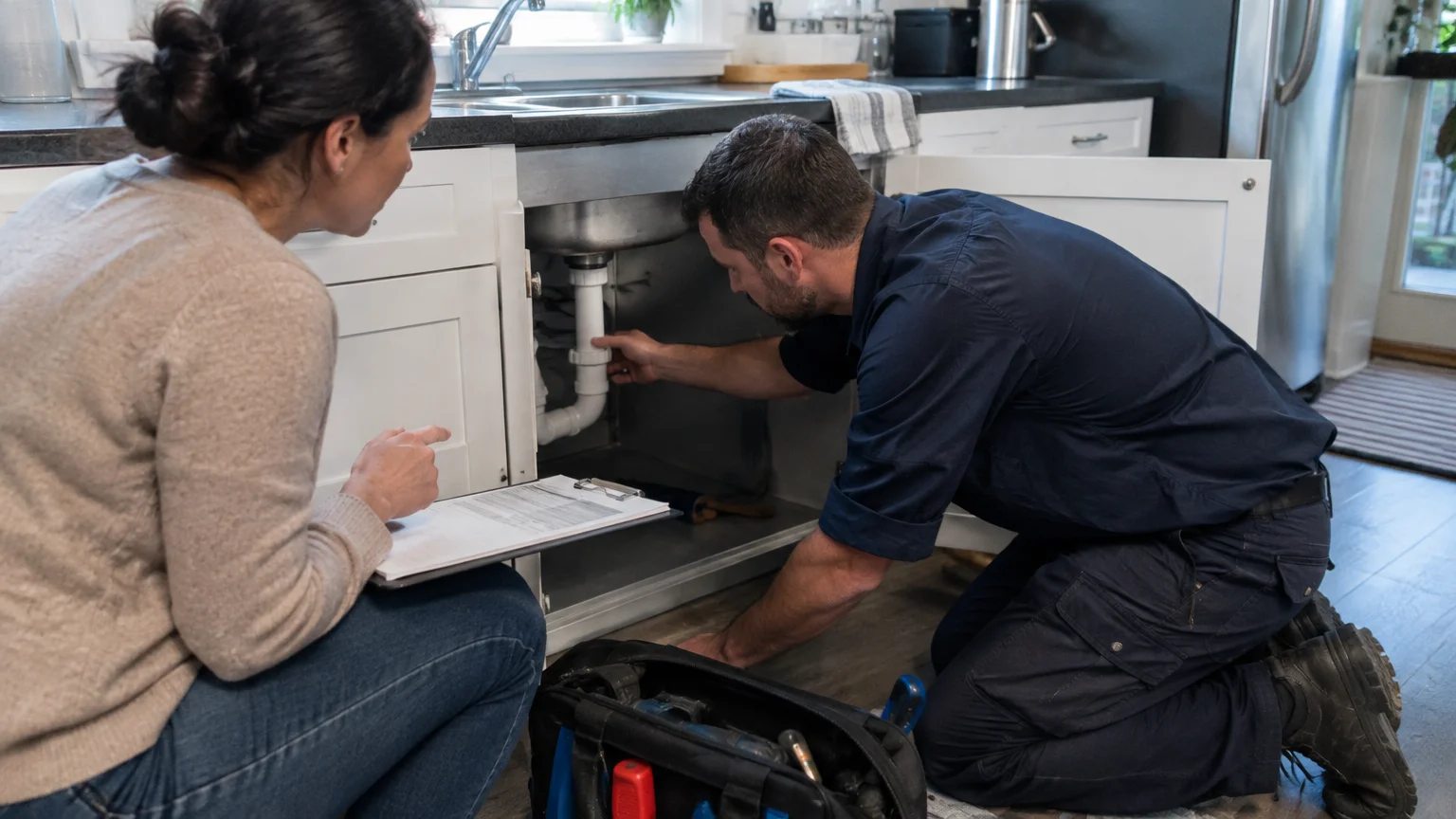
- What affects emergency plumbing cost?
- How do after-hours, weekend, and 24-hour plumbing costs compare?
- Which plumbing emergencies are more complex to repair?
- What should an emergency plumbing quote include?
- How can you compare emergency plumber quotes?
- How can you limit damage while waiting for emergency plumbing help?
- How can you choose a trustworthy emergency plumber?
- Frequently Asked Questions
- Key takeaways
- Conclusion
What affects emergency plumbing cost?
Emergency plumbing cost depends on the problem, access, parts, and repair steps. The plumber may need to inspect the fault before giving a clear quote. A simple repair in an open area often takes less work than finding a hidden leak or fixing a pipe inside a wall.
How do the problem, access, and repair scope affect the quote?
Repair scope means all the work needed to fix the problem safely. A dripping faucet may need one small part. A leak under a floor may need more checks, work to reach the pipe, and repairs to the area afterward. The quote should say what tasks are included and whether another trade or visit may be needed.
Access can affect the work, too. An open pipe in a utility room is easier to reach than one under a slab or behind cabinets. The plumber may first need to find the source of the leak. Ask whether the quote covers diagnosis, repair, cleanup, and any tests after the work.
Why can residential and commercial emergency jobs differ?
A home system is often smaller than the plumbing in a shop, office, or apartment building. A business may have many restrooms, long pipes, shared shutoff valves, or equipment used by many people. The plumber may need to check how the repair could affect the rest of the building.
A broken water supply or restroom can disrupt staff and customers. A property manager may also need to arrange access with tenants or building staff. These details may add steps, but they do not make every business repair harder. The fault and the system are what matter most.
How do after-hours, weekend, and 24-hour plumbing costs compare?
Calls outside normal business hours may involve different timing and work plans. The quote may not match one for a planned visit. Terms depend on the provider and the job, so ask what the total covers. Do not assume every late-night or weekend call works the same way.
What can change when a plumber is called outside regular business hours?
A night or weekend visit may happen when fewer workers or suppliers are available. If a needed part is not on hand, the plumber may make a safe temporary repair first. Ask whether the planned work will fully fix the fault or make the system safer until another visit.
Urgency matters because a running leak can harm walls, floors, stored items, or nearby equipment. A blocked fixture may be less urgent if people have another safe one to use. A plumber can explain what needs attention now and what can wait. The quote should make that clear.
Why does response timing matter for businesses and property managers?
Businesses and property managers often need to limit disruption and keep people away from unsafe areas. A leak near electrical equipment, a wet walkway, or a broken restroom may need quick help. Tell the plumber about building access rules and where the shutoff valves are, if known.
A quick first visit may not finish the full repair. The plumber may stop the water first, then check the damage and plan lasting work. Ask what will happen during the first visit, what work will remain, and whether the area is safe to use afterward.
Which plumbing emergencies are more complex to repair?
A repair may take more work when the fault is hidden, affects several fixtures, or has damaged nearby materials. A visible drip is often easier to trace than water behind a wall. An inspection can help show whether the problem is limited or part of a larger system fault.
How do leaks, blocked drains, and burst pipes differ in scope?
A small leak may come from a loose fitting or worn seal. A hidden leak can take longer to find, especially if water has spread through a wall or floor. A burst pipe may need the water shut off, a damaged pipe section replaced, and nearby areas checked for water damage.
A blocked drain may come from buildup, an object, or a problem farther down the line. The right fix depends on where the blockage is and what caused it. A camera drain inspection uses a small camera to view the inside of a drain pipe. It can help find a fault, but access and pipe layout affect what the camera can show.
When can water heaters or commercial plumbing systems require additional work?
Water at the bottom of a water heater may come from a loose connection, a faulty valve, or a damaged tank. The source is not always where the water appears. If the leak is active, stay clear of hot water and electrical parts. Follow the unit’s safe shutoff directions only if you know how.
Commercial systems may have pumps, backflow devices, or several connected fixtures. A fault in one part can affect other areas. If you smell gas, leave the building and call emergency services or the gas utility from outside. Do not use switches or try to find the leak yourself.
What should an emergency plumbing quote include?
A useful quote explains the problem, planned work, parts, and anything not included. It should say whether it is an early estimate or a confirmed quote for the known repair. The final cost should be confirmed on a quote before you approve the work.
Which labor, parts, and diagnostic details should be clear?
The quote should describe the main repair steps in plain words. It can name the parts to replace, the area where work will happen, and any test needed afterward. If the whole fault is not yet clear, the plumber should explain what is known and what still needs checking.
Ask whether cleanup, access work, or follow-up tests are included. You can also ask what may change if the inspection finds more damage. Clear answers can prevent confusion later. You should not feel rushed to approve work you do not understand.
How can you distinguish an estimate from a confirmed quote?
An estimate is an early view based on the details known at that time. A confirmed quote describes the agreed work and its total, based on what the plumber has found. If opening a wall or testing a pipe may reveal more, ask how added work will be explained and approved.
Read the written terms and ask about anything unclear before work starts. For a business or rental property, the person approving the work should check that they have permission. Keep a copy of the quote and any later changes for your records.
How can you compare emergency plumber quotes?
Compare quotes by checking that each one covers the same fault and repair work. One may leave out tests, parts, or follow-up work, while another may include them. Ask each plumber to describe the work in similar terms. This makes it easier to see what differs.
What questions help compare the same repair scope?
Ask whether the plumber has found the cause or is still checking. Find out which parts and tests are included, whether the work is meant to last, and whether another visit may be needed. For an urgent problem, ask what can be done now to limit harm.
You can also ask who will do the work and whether permits or inspections may apply. Rules depend on the location and job, so ask what applies to the planned repair. For a rental or business space, make clear who can approve the work and who should receive updates.
Which signs may indicate an unclear or incomplete quote?
A quote may be hard to compare if it names a broad task but does not explain the repair. It may leave out parts, tests, or what happens if the first diagnosis changes. Ask for clear answers before agreeing, especially if the plumber has not found the source yet.
Be careful if someone pressures you to approve work without explaining the fault or plan. A trustworthy professional should answer fair questions and explain what is not yet known. If the problem is not dangerous right away, another written quote may help. During an active emergency, focus first on safety and limiting damage.
How can you limit damage while waiting for emergency plumbing help?
You may be able to take simple, safe steps while waiting, but do not try repairs beyond your skill. If water is spreading, turn off a nearby safe valve or the main water valve if you can reach it easily. Keep people and pets away from wet or damaged areas.
What immediate steps are safe for common plumbing emergencies?
These simple steps may help limit harm while a plumber is on the way:
- Turn off a nearby water valve if you know how and can reach it safely.
- Move dry belongings away from water without entering an unsafe area.
- Put a bucket under a small drip only when there is no electrical risk.
- Stop using a fixture that is overflowing or backing up.
- Tell the plumber where the problem started and when you first saw it.
You do not always need a professional for simple upkeep. Homeowners can clean a faucet screen, clear a sink stopper, or remove visible debris from a drain cover when the task is safe and easy to reach. Do not use harsh drain products, force stuck parts, or open a water heater during an emergency.
When should occupants avoid using fixtures or entering an area?
Stop using a fixture if it leaks, overflows, or sends water into another room. Stay away from standing water near outlets, appliances, or electrical panels. Do not enter a room with a strong gas smell. Do not use a flame or switch. Leave, then contact emergency services or the gas utility from outside.
If a pipe bursts, turn off the water only if you know where the safe valve is and can reach it. If not, wait for help rather than forcing a valve. Take photos from a safe place if they will help with property records, but do not delay urgent safety steps.
How can you choose a trustworthy emergency plumber?
A trustworthy plumber explains the problem, answers questions, and gives clear terms before work begins. Check that the professional has the license needed for the work in your area. You can also ask about insurance and experience with your type of plumbing system.
What licensing, insurance, and experience should you verify?
License rules vary by state and local area. Check with the right licensing board or local building office to learn what applies. Ask for the plumber’s license details and confirm that the license covers the work being planned.
Ask whether the plumber has insurance for the work and what protection applies to your property. For a business site, look for experience with similar buildings, equipment, and access needs. A good professional should explain the repair in words you can follow, without pressure or confusing terms.
How can businesses and property owners plan for future plumbing emergencies?
Property owners can keep a simple record of shutoff locations, system details, past repairs, and upkeep needs. Businesses can name who may approve urgent work and how staff or tenants should report a leak. Clear roles can help prevent delays when a problem happens outside normal hours.
Routine checks may find slow drains, damp areas, running toilets, or changes in water pressure before they become urgent. Low pressure can have several causes, such as a partly closed valve or a wider supply problem. A plumber can check repeat faults and suggest a suitable plan to care for the building.
Frequently Asked Questions
What is a plumbing emergency?
A plumbing emergency is a problem that puts people, property, or an important water supply at immediate risk. Examples include a burst pipe, a fast leak, sewage coming back through a drain, or a gas odor near a gas appliance. A slow drip may be less urgent, but it still needs attention if it gets worse.
What should someone do when a pipe bursts?
If it is safe, turn off the nearest shutoff valve or the main water valve. Stay clear of electrical hazards and move belongings only from a dry, safe area. Then contact an emergency plumber and explain where the pipe burst, how much water is flowing, and whether it has stopped.
What causes low water pressure in a house?
Low water pressure may come from a partly closed valve, a clogged fixture screen, a leak, or a supply problem. A homeowner can safely check whether one fixture or the whole house is affected. Cleaning a faucet screen may help. If pressure stays low or changes suddenly, a plumber can inspect the system.
What should someone do if a water heater leaks from the bottom?
Water at the bottom may come from a fitting or valve above it, or from a damaged tank. Stay clear of hot water and electrical parts. If the leak is active, follow the unit’s safe shutoff steps only if they are clear. Have a plumber find the source before using the heater again.
How can someone detect a gas leak?
A gas smell may signal a leak, but do not try to find it yourself. Leave the building and avoid switches, flames, and appliances. Call emergency services or the gas utility from outside. Do not go back in until officials say it is safe. A plumber can handle related pipe work afterward.
Key takeaways
- The fault, access, parts, and repair steps shape an emergency quote.
- After-hours calls may have different terms, so ask what the quote covers.
- A written quote should explain the work, limits, and unknowns.
- Simple upkeep may be safe to do yourself, but risky repairs need a professional.
- Leave the building if you smell gas or face another immediate danger.
Conclusion
An urgent plumbing problem can feel hard to handle, but clear details help. The cause, access, and damage affect the work needed. Protect people and property, ask what the quote covers, and check the plumber’s license and insurance before approving repairs.
Millbrae Plumbing helps homeowners and businesses understand urgent plumbing problems and the next steps. Whether the issue is in a home, rental, or business in Millbrae, ask what the repair includes and when the final cost will be confirmed. Contact us to discuss the problem and arrange the next step.