The cost to replace a toilet depends on the fixture, the work it needs, and the plumbing around it. A similar toilet in the same spot is usually a simpler job than a new style or hidden damage. A plumber can check the work and confirm the final cost in a written quote.
In Millbrae, the right toilet depends on the property and how people use it. A homeowner may want a simple replacement, while a business may need a fixture built for frequent use. Millbrae Plumbing can help property owners understand the work and compare options for their space.
Table of Contents
- What determines the cost to replace a toilet?
- What does a standard toilet replacement include?
- How do toilet type and features affect replacement costs?
- What additional plumbing work can increase the cost?
- How does a commercial toilet replacement differ from a residential job?
- When is repairing a toilet more practical than replacing it?
- How can you compare plumber quotes for toilet replacement?
- What should you look for when hiring a plumber?
- How can you prepare for a toilet replacement?
- What should you confirm before approving the work?
What determines the cost to replace a toilet?
The total depends on the toilet, the installation work, and the plumbing condition. Replacing a similar toilet in the same spot is often more direct than changing the fixture type or fixing damage. The final cost is confirmed on a quote after the plumber reviews the job.
The toilet itself is one part of the cost. A common two-piece model may be easier to fit than a wall-hung or special-design toilet. The size, shape, flush system, and parts that come with it can also affect the work. The new toilet needs to fit the room and plumbing, not only look like the old one.
The work area matters as well. Tight access, stairs, or a bathroom far from an entrance can affect how the plumber plans the job. A busy business may also need careful timing. The plumber may need to remove the old fixture, protect nearby surfaces, and check the connections before installing the new one.
Hidden problems can change the work needed. A damaged floor flange, leaking shutoff valve, or worn supply line may need attention first. A flange is the fitting that joins the toilet to the drain pipe and helps hold it to the floor. If it is damaged, placing a new toilet on it could leave a leak or an unstable fixture.
Ask for a written quote that explains the work, parts, removal, and disposal. It should also say how the plumber will handle problems found after the old toilet comes out. Millbrae Plumbing can talk through these details with customers so they understand what the planned work includes before they approve it.
What does a standard toilet replacement include?
A standard replacement often includes taking out the old toilet, preparing the connection, setting the new fixture, and testing it. The exact work depends on the plumbing’s condition and what the written quote says. Ask the plumber to explain any part that is not clear before work begins.
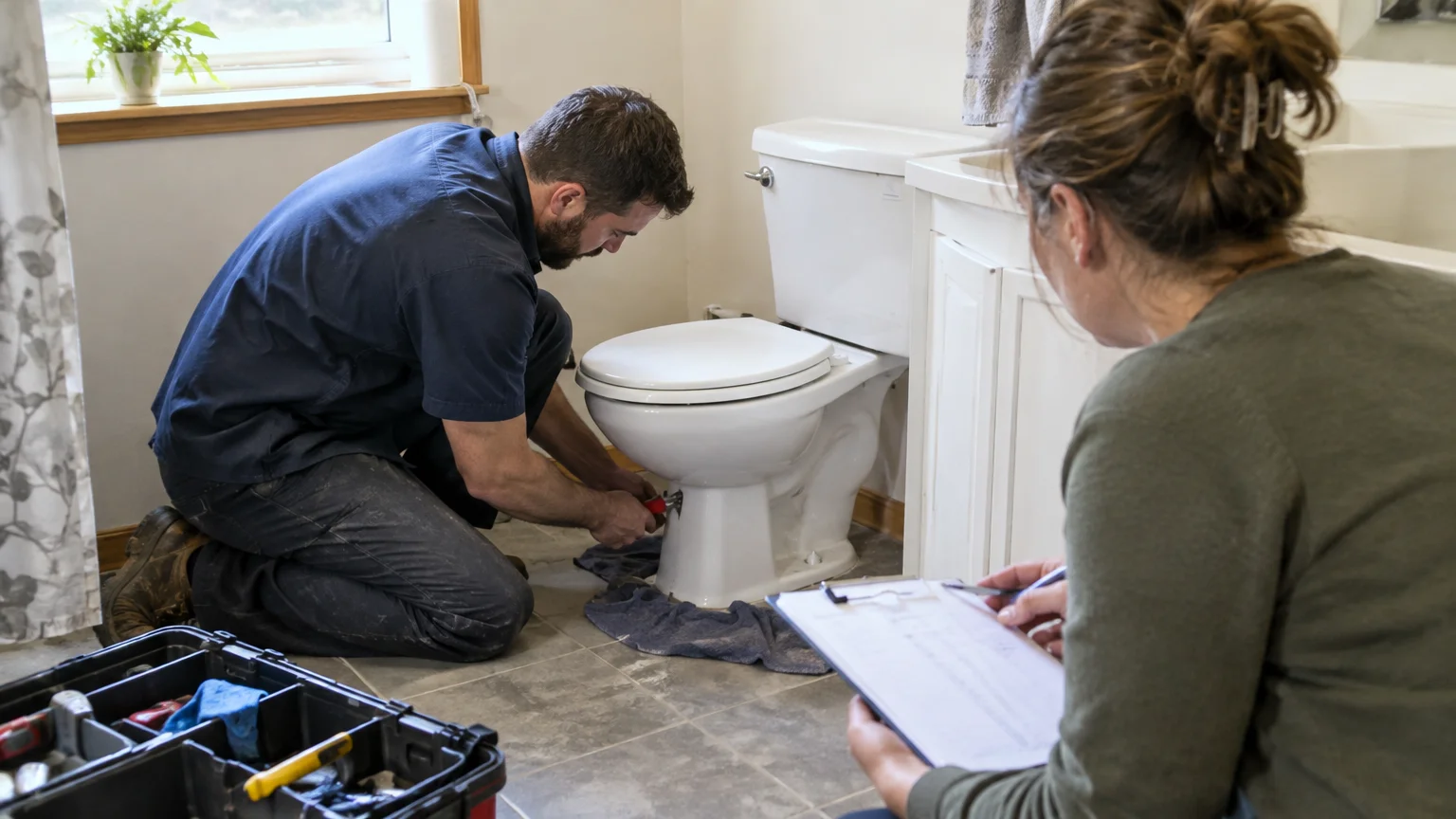
First, the plumber shuts off the water and drains the toilet. They disconnect and remove the old fixture with care. With the toilet out of the way, they can check the drain connection and nearby floor for visible damage. If they find a problem outside the agreed work, they should explain it before doing more.
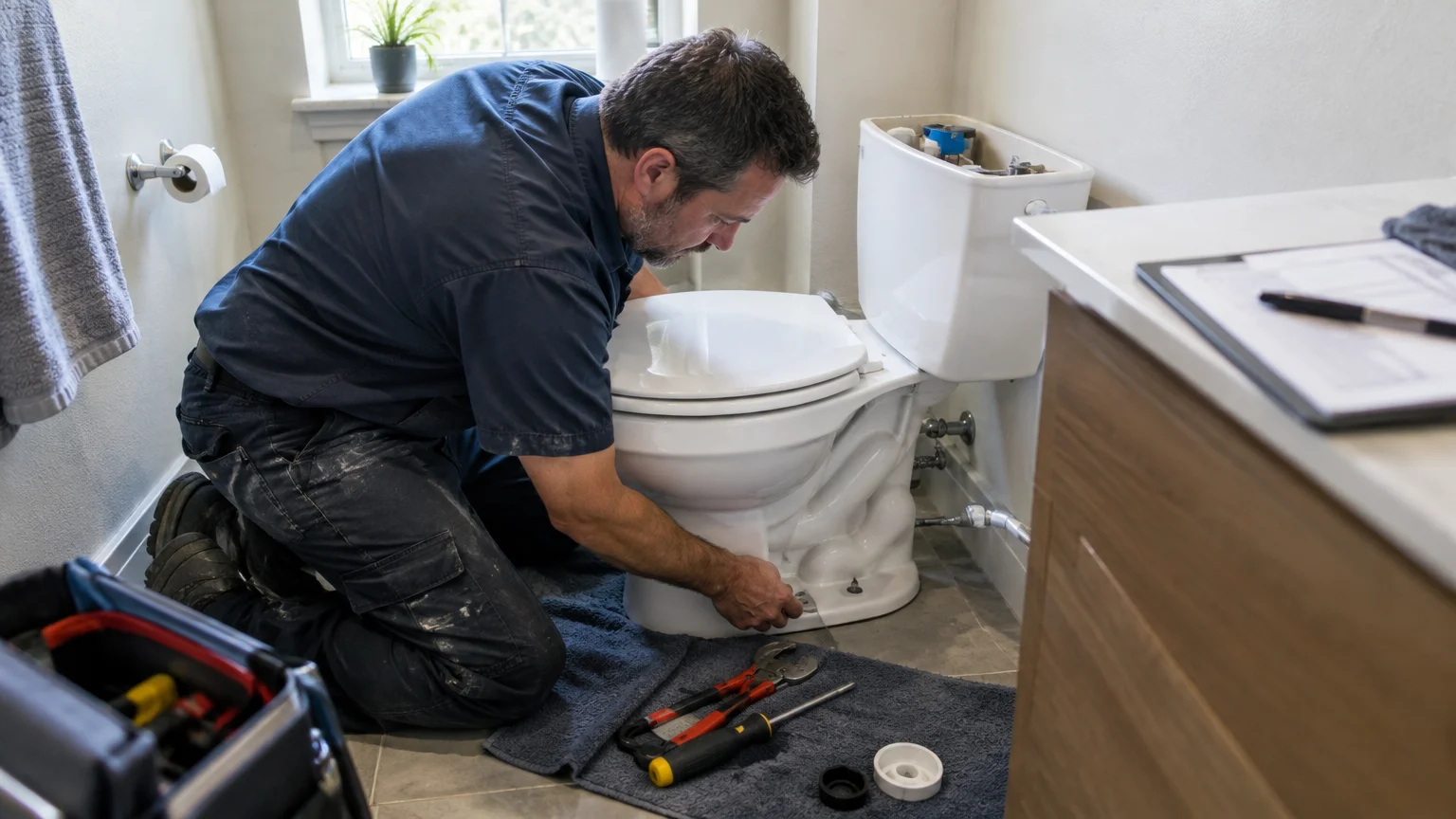
Next, the plumber prepares the base and connection. A new seal is often placed between the toilet and drain opening. The plumber sets the fixture in place and secures it. They then connect the water and test the toilet to make sure it fills and flushes as expected.
A complete job should include a check for leaks around the base and water connection. The plumber should explain any limits, such as damage hidden before the old toilet was removed. The quote should clearly state whether old-toilet disposal is included. Do not assume it is part of the job if the quote does not say so.
Before work starts, confirm who will supply the toilet. Ask whether the seat, bolts, supply line, and other needed parts are included. These details help avoid confusion at the end of the job. Also ask whether cleanup is included and what happens if the shutoff valve will not close or the flange needs work.
How do toilet type and features affect replacement costs?
Toilet type affects the fixture choice and the work needed to fit it. Replacing an old toilet with a similar model is often simpler than switching to another design. A different toilet may need new connections or changes to the wall or floor.
A two-piece toilet has a separate tank and bowl. A one-piece toilet joins the tank and bowl into one unit. The right choice depends on the room, existing plumbing, and how the fixture can be moved into place. A wall-hung toilet attaches to a frame inside the wall. Replacing one may mean working on that frame and its connections, so it may not be a direct swap for a floor-mounted toilet.
Flush systems and bowl shapes can also affect the fit. Some toilets use different parts or need a certain type of connection. A round bowl may work in a smaller room, while an elongated bowl may give more sitting space. The room layout and the distance from the wall to the drain help show which models will fit.
Access needs can guide the choice, too. A household may want a seat height that is easier to use. A business may need a fixture that suits its restroom layout. Commercial toilets may need to handle frequent use and be simple to maintain. A plumber can explain which models fit the current connections and how the space will be used.
Before choosing a toilet, check its size, water connection, drain position, and included parts. A model that looks like the old one may still not fit. A plumber can check the space and installation needs before the toilet is ordered. This can help prevent delays or changes once the job starts.
What additional plumbing work can increase the cost?
Extra work may be needed if the plumber finds damage or worn parts near the toilet. A new fixture will not fix a leak caused by a broken connection, weak floor, or another plumbing issue. The plumber should explain the problem and confirm the added work in an updated quote.
The flange may be cracked, loose, or set at the wrong height. It connects the toilet to the drain and helps hold the fixture in place, so it needs to be sound. The shutoff valve may also be stuck, rusty, or unable to stop the water. A worn supply line may leak or fail to fit the new toilet.
Water near the base needs a close look. A failed seal may cause it, but a cracked toilet or damaged floor can also be to blame. If water has reached the subfloor, more work may be needed beyond replacing the toilet. The subfloor is the layer below the finished floor. Damage there can keep the toilet from sitting firmly.
Old or unusual connections may need changes to fit a new fixture. Ask why each added task is needed and whether it was part of the first quote. When possible, ask the plumber to show you the affected area. Request a revised written quote before approving any extra work.
A toilet that keeps running may need a small repair instead of a new fixture. The cause may be a worn flapper or a fill valve that does not shut off. A flapper is the moving seal at the bottom of the tank. The fill valve controls the water entering the tank. If the toilet is in good shape, Toilet Repair may solve the problem without replacing the whole fixture.
How does a commercial toilet replacement differ from a residential job?
Commercial toilet replacement often takes more planning because staff, customers, tenants, or visitors use the restroom. The plumber needs to consider how often the toilet is used, access to the room, building needs, and how the work may affect daily activity.
A busy restroom may need a fixture made for regular use and easy care. The right model also depends on the drain, water supply, room layout, and any rules for the building. A property owner or manager should talk with a qualified plumber about these needs before buying a replacement.
Timing and access can matter as much as the fixture. A business may need to keep another restroom open, let staff know about a short closure, or plan work at a quieter time. Tell the plumber about building access rules and any limits on when the work can happen.
For a property with several restrooms, tell the plumber which ones are most important to keep open. A clear plan can help reduce disruption during the work. It can also help the business decide whether to replace one toilet at a time or arrange several jobs together.
Commercial property owners should ask what the quote includes and how the work area will be kept safe. They should also ask how the new toilet will be tested, who will remove the old fixture, and how unexpected work will be approved. Millbrae Plumbing can discuss the needs of homes and businesses before work begins.
When is repairing a toilet more practical than replacing it?
Repair is often the better choice when the toilet is steady, has no cracks, and has a problem with a part that can be changed. Replacement may make more sense when the fixture is damaged, keeps failing, or no longer suits the property. The toilet repair cost depends on the part and work needed, so compare the repair with the full replacement scope.
A homeowner can safely check a few simple things. Look inside the tank to see if the chain is caught. Check whether the flapper rests flat after a flush. You can also clean visible mineral buildup from removable parts, as the maker’s directions allow. Do not take apart plumbing or force a stuck valve.
A running toilet may need a new flapper or fill valve. Before trying a diy toilet repair, shut off the water supply and make sure the replacement part fits the toilet. A toilet bowl fill valve repair may help if the tank does not refill or stops at the wrong level. If the valve is hard to reach, the shutoff does not work, or the problem remains, ask a plumber to check it.
A toilet repair flapper may help when water slowly moves from the tank into the bowl. Choose a flapper that fits the flush valve and follow the maker’s directions. Only repair a toilet inlet valve when you can safely shut off the water and know which part is needed. A fill valve toilet repair is not a safe do-it-yourself job if the tank or supply line is cracked or leaking.
Think about replacement if the tank or bowl is cracked, the toilet rocks because the base is damaged, or leaks return after repairs. Repeated clogs, a poor fit, or a fixture that does not meet users’ needs may also make replacement worth considering. A toilet not flushing can have several causes, so it does not always mean the fixture needs to go. A plumber can compare repair and replacement work without assuming one is always best.
How can you compare plumber quotes for toilet replacement?
Compare quotes by making sure each one describes the same work and parts. A quote may seem lower because it leaves out disposal, connection parts, or repairs that another quote includes. The final cost should be confirmed on a written quote before you approve the work.
Check whether the quote names the toilet model or says who will supply it. It should explain removal, installation, new seals or fittings, testing, and disposal. If the plumber has not seen the flange or floor yet, ask how they will handle anything that is not visible until the old toilet is removed.
Ask whether work on the shutoff valve, supply line, or flange is included. If it is not, ask how the plumber will explain added work and get your approval. A clear process helps you decide what to do if the plumber finds damage that could not be seen earlier.
Quotes are easier to compare when they cover the same type of toilet and similar work conditions. One may include the fixture while another may only cover installation. Check the details instead of looking only at the final amount. Ask whether cleanup is included and whether the plumber will test for leaks and proper flushing.
Keep the quote and any changes with the property records. This can help landlords, property managers, and business owners track repairs over time. If a detail is unclear, ask for a plain answer before approving the work. A reliable plumber should explain the planned work without pressuring you.
What should you look for when hiring a plumber?
Choose a plumber whose license, insurance, and experience fit the work and local rules. Rules may differ by state and city, so check with the right licensing office rather than assuming one rule applies everywhere. Ask for clear details about the work before you agree.
Ask whether the plumber has done similar toilet replacements. A wall-hung fixture, commercial restroom, or toilet with unusual connections may need more experience than a simple swap. The plumber should explain what they will check and why the chosen toilet fits the space.
Good communication matters. The plumber should describe the planned work, explain likely limits, and say how they will ask before doing extra repairs. Clear answers help you understand the quote. Do not approve work if the scope or next steps are still unclear.
Check that the written documents name the business and explain the work. Ask what workmanship promises apply and how to raise a concern after the job. Read the terms instead of relying on broad promises. Keep a copy of the quote, approvals, and product details.
For a rental or business property, confirm who can approve changes and arrange access. The owner, tenant, manager, or building contact may each have a role. Millbrae Plumbing can explain its process to customers planning toilet work, so they know what to expect before deciding.
How can you prepare for a toilet replacement?
Clear space around the toilet and tell the plumber about known leaks, repairs, or unusual plumbing. A ready work area helps the plumber move safely and plan the job. Sharing what you know may also help them spot possible changes to the work.
Move personal items, floor mats, and stored supplies away from the toilet. Keep children and pets out of the work area. If the bathroom has a narrow doorway or stairs, tell the plumber ahead of time. This helps them plan how to move the old and new fixtures safely.
Share known problems, such as a slow leak, stuck shutoff valve, rocking toilet, or water damage near the base. Tell the plumber if the toilet has needed repairs before or if the building has an unusual drain layout. These details can help with planning and explain why the work may need to change.
For a rental, plan access with the tenant and property manager. For a business, tell staff or customers if the restroom will be closed and point out another restroom if one is open. A manager should check building access rules and let the plumber know how to enter and where to park.
Confirm who will supply the toilet and whether it will be ready before the appointment. Check that the model fits the room and plumbing. If there is an active leak or the water will not shut off, tell the plumber when arranging the work so they can plan for it safely.
What should you confirm before approving the work?
Before work begins, confirm the written scope, the toilet and parts included, and how hidden damage will be handled. Before the plumber leaves, check that the toilet flushes, the connections do not leak, and the work area is clean. Ask questions if anything does not match the agreed plan.
The quote should list the planned removal and installation work. It should say whether the plumber supplies the fixture, takes away the old one, and replaces connection parts. If a repair may be needed after removal, ask how the plumber will explain the issue and get approval before doing extra work.
After installation, the toilet should sit firmly without rocking. The plumber should check the water connection and base for leaks, then test the flush and tank refill. Ask them to explain any changes they made and show you where the shutoff valve is for future use.
If water appears near the base or supply line, tell the plumber before they leave. Do not ignore a toilet that shifts, keeps refilling, or does not flush as expected. Ask what to do if a problem appears later. Keep the written quote and product papers with the property records.
Key takeaways
- Fixture choice, installation work, access, and plumbing condition shape the quote.
- A standard replacement should include removal, installation, and operation checks.
- A sound toilet with a worn part may need repair instead of replacement.
- Compare written quotes by work, included parts, disposal, and exclusions.
- Check that the toilet is stable, flushes well, and has no visible leaks.
Frequently Asked Questions
How long does it take to replace a toilet?
The time depends on the toilet, access, and plumbing condition. A simple replacement may take less time than a job with a stuck valve, damaged flange, or floor repair. Ask for a time estimate once the plumber understands the work. Plan for the bathroom to be unavailable during the job.
Can a homeowner replace a toilet without a plumber?
A capable homeowner may replace a toilet if the shutoff works, the connections are sound, and the new fixture fits. Stop if the toilet rocks, a connection leaks, or the flange is damaged. A plumber is the safer choice when the water will not shut off or the drain connection is unclear.
Should the shutoff valve be replaced with the toilet?
Not always. A valve that works and fully stops the water may not need replacement. If it is stuck, corroded, leaking, or will not close, ask the plumber to explain the repair before installing the toilet. The valve is easier to check while the old fixture is out.
Why does a new toilet leak at the base?
A leak at the base can mean the seal is not set right, the toilet is loose, or the flange is damaged. Water may also come from the tank or supply line and run down to the floor. Stop using the toilet if water continues and have the source checked.
Is it worth repairing a toilet that keeps running?
Often, yes, if the toilet is otherwise in good shape. A worn flapper or fill valve may keep the tank running, and replacing that part may fix it. If repairs keep failing, the toilet is cracked, or it does not suit the property, compare repair and replacement options.
Conclusion
Replacing a toilet can be a simple swap or a larger plumbing job. The flange, shutoff valve, supply line, and floor can all affect the work. A clear written quote helps property owners understand the plan, compare plumbers, and approve the right work.
For help reviewing a toilet replacement at a home or business, Contact us to discuss the job with Millbrae Plumbing.
If you are not sure what you are dealing with, it is worth having someone look at it before it turns into a bigger job. Get in touch with Millbrae Plumbing today and we will tell you where you stand.