A home plumbing maintenance checklist helps you find leaks, clear small clogs, protect pipes, and spot unsafe issues early. Monthly checks, seasonal care, winter steps, and trip preparation help keep water systems working. Most simple tasks are safe to do yourself, but gas, sewer, and major pipe work need a professional.
Table of Contents
- What should be included in a home plumbing maintenance checklist?
- Which plumbing maintenance tasks should you complete every month?
- What seasonal plumbing maintenance should homeowners schedule?
- How do you prepare your plumbing for winter?
- What plumbing tasks should you complete before going on vacation?
- Which plumbing warning signs require professional attention?
- How can homeowners maintain plumbing systems throughout the year?
- Frequently Asked Questions
What should be included in a home plumbing maintenance checklist?
A useful checklist covers supply lines, drains, toilets, faucets, shutoff valves, water heaters, and exposed pipes. It should also include safety checks and clear rules for when to call a licensed plumber. The goal is early action, not major repair work.
How regular plumbing checks prevent larger problems
Small leaks can harm cabinets, floors, walls, and stored items. A slow drain can also point to buildup farther inside the pipe. Early checks give you time to clean the area, watch the change, or arrange help before water damage spreads.
Look under every sink during a plumbing check. Feel the pipes and supply lines for damp spots. A musty smell, peeling cabinet surface, or soft floor needs attention. Water marks on a wall or ceiling may point to a hidden leak.
Learn where the main water shutoff valve is located. This valve stops water to much of the property during a burst pipe or major leak. Each fixture may have a smaller shutoff valve near its supply line.
What tools and safety precautions do homeowners need?
Basic upkeep may need a flashlight, bucket, old towels, gloves, small brush, and adjustable wrench. A plunger can help with simple sink or toilet clogs. Do not force a stuck valve or use tools on a gas connection.
Never mix drain chemicals. They can create harmful fumes and damage pipes. Do not open a water heater, change gas parts, or work on hidden electrical connections. Millbrae Plumbing can help Millbrae homeowners decide which tasks are safe to handle and which need professional care.
Which plumbing maintenance tasks should you complete every month?
Monthly checks should cover leaks, water flow, drainage, toilets, and shutoff valves. These tasks usually take little time and do not need a professional. They matter most in kitchens, bathrooms, laundry rooms, basements, crawl spaces, and utility areas.
How to check for leaks under sinks and around fixtures
Remove items from beneath each sink and inspect the cabinet floor. Look for drops, stains, swollen wood, or a damp smell. Check where supply lines connect to the faucet and wall. Run the faucet and watch each connection.
Inspect toilet bases and the areas around tubs and showers. A toilet that rocks, leaks at its base, or leaves water on the floor needs attention. Check faucet handles and shower connections for drips. Even a small drip can waste water and harm nearby surfaces.
What to inspect on toilets, faucets, drains, and water shutoff valves
A running toilet often has a worn flapper, bad fill valve, or wrong water level. Remove the tank lid and listen for steady water flow. Check whether the handle returns fully after flushing. A careful homeowner may replace simple parts.
For drains, remove hair and debris from strainers. Do not push objects farther into the pipe. Run water through each fixture and note slow flow, gurgling, or bad smells. Several slow drains may signal a larger blockage.
Turn fixture shutoff valves gently to make sure they move. Never force them. A valve that will not close can cause trouble during an emergency. Ask Millbrae Plumbing about Drain Cleaning when clogs return after basic cleaning.
What seasonal plumbing maintenance should homeowners schedule?
Seasonal plumbing maintenance changes with weather and home use. Spring checks focus on leaks and outdoor water lines. Summer checks cover heavy use and irrigation. Fall checks prepare the home for colder weather and more time indoors.
Spring and summer plumbing checks
In spring, inspect exposed pipes, hose connections, outdoor faucets, and sump pump areas. Look for cracks caused by cold weather. Open outdoor faucets slowly and watch for leaks inside. A damaged pipe may leak behind a wall when the faucet runs.
Summer may bring more laundry, showers, guests, and outdoor water use. Check that drains handle normal use. Clean faucet aerators if water flow becomes weak. An aerator is the small screen at a faucet end that shapes the stream and catches debris.
Pool filling, sprinkler use, and outdoor cleaning can place more demand on the system. Keep grease, wipes, paper towels, and food scraps out of drains. These items can clog household pipes or the sewer line.
Fall preparation for colder weather
Before cold weather arrives, disconnect garden hoses and drain outdoor faucets. Close indoor shutoff valves for outdoor lines when the plumbing design allows it. Check pipe insulation in garages, crawl spaces, and other cold areas.
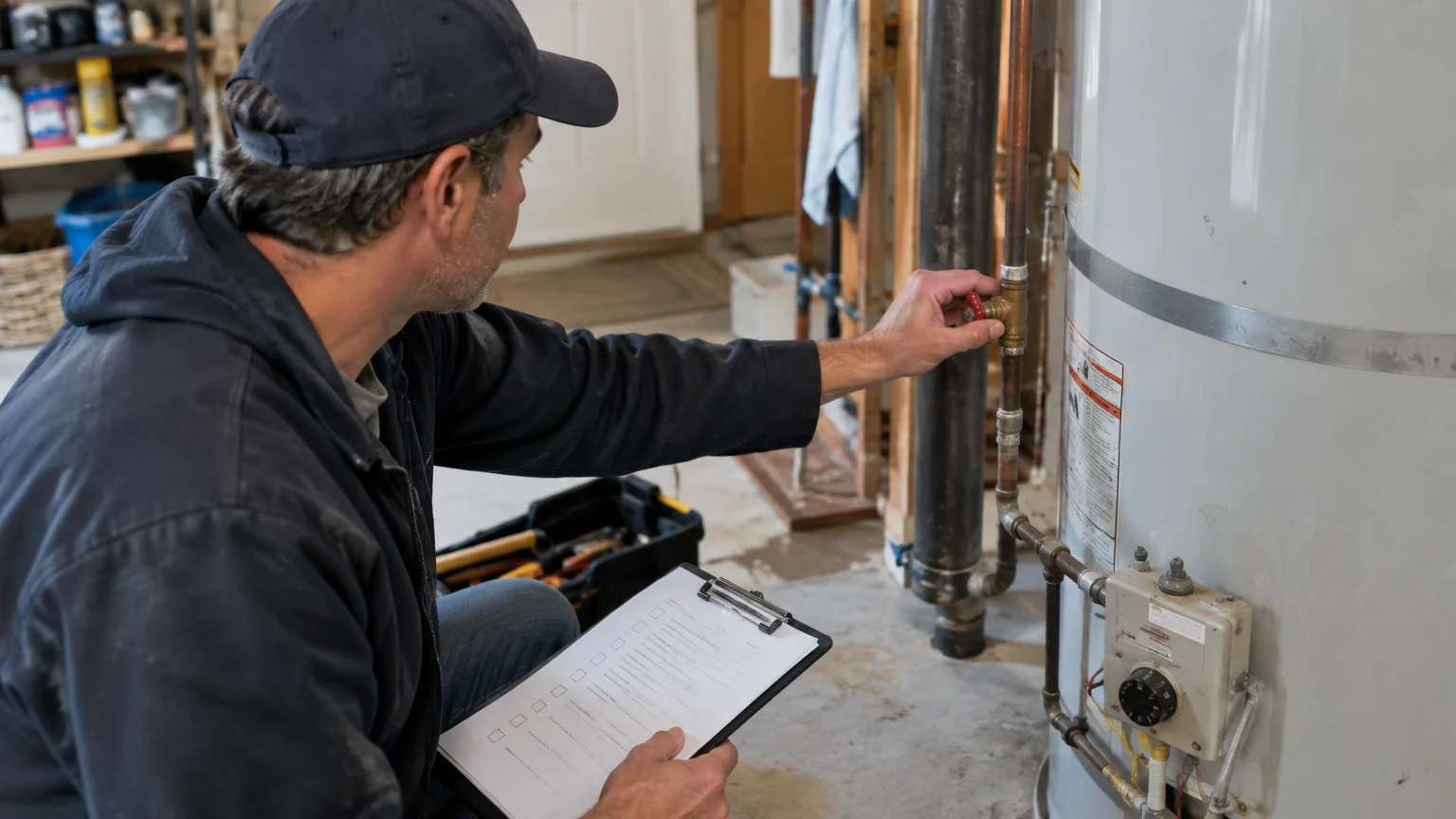
Fall is also a good time to check the water heater. Look for rust, moisture, odd sounds, or changes in hot water. Tank water heaters may need anode rod replacement over time. An anode rod is a metal part that helps guard the tank against rust.
Do not ignore water heater problems. Millbrae Plumbing provides Water Heater Repair for homes and businesses in the Millbrae area, including Downtown Millbrae and Millbrae Meadows. Help may also be available for nearby communities when a system stops heating, leaks, or shows damage.
How do you prepare your plumbing for winter?
To prepare plumbing for winter, insulate exposed pipes, remove outdoor hose connections, and keep cold areas warm. During a hard freeze, let suitable indoor faucets run slightly and open cabinets near outside walls. These steps lower risk but cannot repair a damaged system.
How to protect exposed pipes from freezing temperatures
Pipe insulation is foam or another cover placed around a pipe to slow heat loss. It helps most on pipes in garages, crawl spaces, attics, and exterior walls. Insulation should fit firmly without crushing the pipe.
Keep garage doors closed during freezing weather. Do not use open flames, outdoor heaters, or unsafe devices to thaw a pipe. If a pipe freezes, turn off the water supply and open the nearest faucet. This lowers pressure while the pipe warms safely.
A frozen pipe may split before water flows again. Watch for bulges, cracks, or wet areas. If a pipe breaks, shut off the main valve and keep people away from electrical hazards. Then arrange emergency plumbing help.
What to do before a hard freeze or winter storm
Before severe weather, make sure everyone knows the main shutoff location. Store the valve key or tool where it is easy to find. Check that outdoor lines are disconnected and exposed indoor pipes are protected.
During a freeze, keep heat running at a safe setting. Open cabinets under sinks on outside walls when safe. A small stream of water may help some pipes, but it does not replace insulation or repair.
What plumbing tasks should you complete before going on vacation?
Before leaving, check for leaks, secure fixtures, and decide whether to shut off the main water supply. The best choice depends on the home, weather, appliances, and trip length. A trusted person should know where the shutoff valve is located.
How to shut off water and protect your home while away
Inspect sinks, toilets, appliances, and water heater connections before leaving. Check washing machine hoses and the dishwasher line for dampness or wear. You may shut off the main water valve if the property will sit empty for a long time.
If the main water stays on, make sure all taps are closed. Set the water heater according to the maker’s travel guidance. Do not turn off home heating during freezing weather unless the plumbing is fully prepared.
Ask a trusted person to check the property after severe weather. They should look for leaks, standing water, odd sounds, and loss of heat. Smart leak sensors can send alerts, but they do not replace an emergency shutoff plan.
What to inspect when you return
Open the main valve slowly if it was closed. Check every fixture and appliance connection as pressure returns. Look under sinks, around toilets, near the water heater, and in basements or crawl spaces.
Run faucets briefly and note poor flow, odd color, or strange smells. Flush toilets and watch for leaks. If water appears where it should not, close the shutoff valve and arrange professional help.
Which plumbing warning signs require professional attention?
Professional attention is needed for hidden leaks, repeated clogs, sewer backups, major pressure changes, gas concerns, and water heater faults. Basic checks are safe for many homeowners, but unsafe work should not be attempted. Fast action can limit damage and later plumbing costs.
When leaks, clogs, pressure changes, or water heater issues indicate a larger problem
A single slow drain may improve with careful cleaning. Repeated backups, several slow drains, sewage smells, or gurgling may point to a deeper blockage. Drain cleaning may be needed when a plunger does not solve the issue.
Low water pressure can come from a closed valve, blocked aerator, leak, or supply problem. High pressure can strain fixtures and appliances. Sudden pressure changes should be checked, especially when they occur with wet spots or loud pipe sounds.
A water heater that leaks, trips a safety control, gives rusty water, or stops heating needs professional review. Never remove gas covers or bypass safety controls. Millbrae Plumbing helps property owners with water heater concerns, toilet repair, leak detection, and general plumbing repair.
What to do during a plumbing emergency
First, protect people from slippery water and electrical hazards. Shut off the nearest fixture valve or main water supply if needed. Move valuable items away from the leak when safe. Do not enter flooded areas near electrical equipment.
A gas smell is an emergency. Do not test for a gas leak with a flame, switch, or electrical device. Leave the area and contact the gas utility or emergency services from a safe place. A plumber can check related plumbing after the area is safe.
How can homeowners maintain plumbing systems throughout the year?
A simple annual schedule makes maintenance easier. Monthly checks catch small changes. Seasonal checks protect outdoor lines and exposed pipes. A yearly review helps homeowners plan plumbing repair before a failure affects the home.
A practical annual maintenance schedule
Each month, inspect visible connections, toilets, faucets, drains, and shutoff valves. In spring, check outdoor faucets and signs of cold-weather damage. In summer, watch water use, drainage, and irrigation connections. In fall, prepare exposed pipes and review the water heater.
Before winter, protect vulnerable pipes and confirm the main shutoff location. Before travel, inspect appliances and decide how to manage the water supply. After a storm or freeze, check for leaks before normal water use begins.
Keep a short record of repairs, odd sounds, pressure changes, and appliance age. This record helps a plumber find patterns. It also helps owners plan care for rental homes, offices, and investment properties.
Key takeaways for preventing avoidable plumbing damage
- Check visible plumbing every month for leaks, stains, dampness, and rust.
- Keep drains clear by limiting grease, wipes, hair, and food waste.
- Protect exposed pipes before freezing weather arrives.
- Know the main shutoff location before a leak or burst pipe occurs.
- Call a professional for gas concerns, sewer backups, hidden leaks, and water heater faults.
Millbrae Plumbing can help homeowners and property owners review plumbing concerns across the Millbrae area. Contact us today to arrange professional plumbing support when a routine check finds a problem.
Frequently Asked Questions
How often should a homeowner check the plumbing?
Do a quick visual check each month and a deeper review each season. Cover sinks, toilets, faucets, drains, outdoor connections, exposed pipes, and the water heater. Older homes, rental properties, and homes with past leaks may need closer checks.
What should someone do if a toilet keeps running?
Check whether the handle sticks and whether the tank flapper closes fully. The water level should remain below the overflow tube. If the toilet still runs after simple adjustments, the fill valve or another part may need replacement or professional repair.
How can a homeowner check for gas leaks?
Never use a flame or electrical switch to check for a gas leak. A rotten-egg smell, hissing sound, or suspected leak means leaving the area at once. From a safe place, contact the gas utility or emergency services. Plumbing work should wait until the area is cleared.
Should homeowners use chemical drain cleaners?
Chemical drain cleaners are usually not the first choice for routine maintenance. They can harm pipes, create fumes, and injure skin or eyes. A plunger, drain screen, or careful removal of visible debris is safer for simple clogs. Repeated blockages need professional diagnosis.
When should a homeowner call a plumber?
Call a plumber for burst pipes, hidden leaks, sewer backups, gas concerns, repeated clogs, major pressure changes, and water heater faults. Professional help is also wise when work involves gas, electricity, sealed equipment, or plumbing inside walls.
If you are unsure what you are dealing with, have the issue checked before it becomes a larger job. Millbrae Plumbing can explain the next step for your property.
If you are not sure what you are dealing with, it is worth having someone look at it before it turns into a bigger job. Get in touch with Millbrae Plumbing today and we will tell you where you stand.