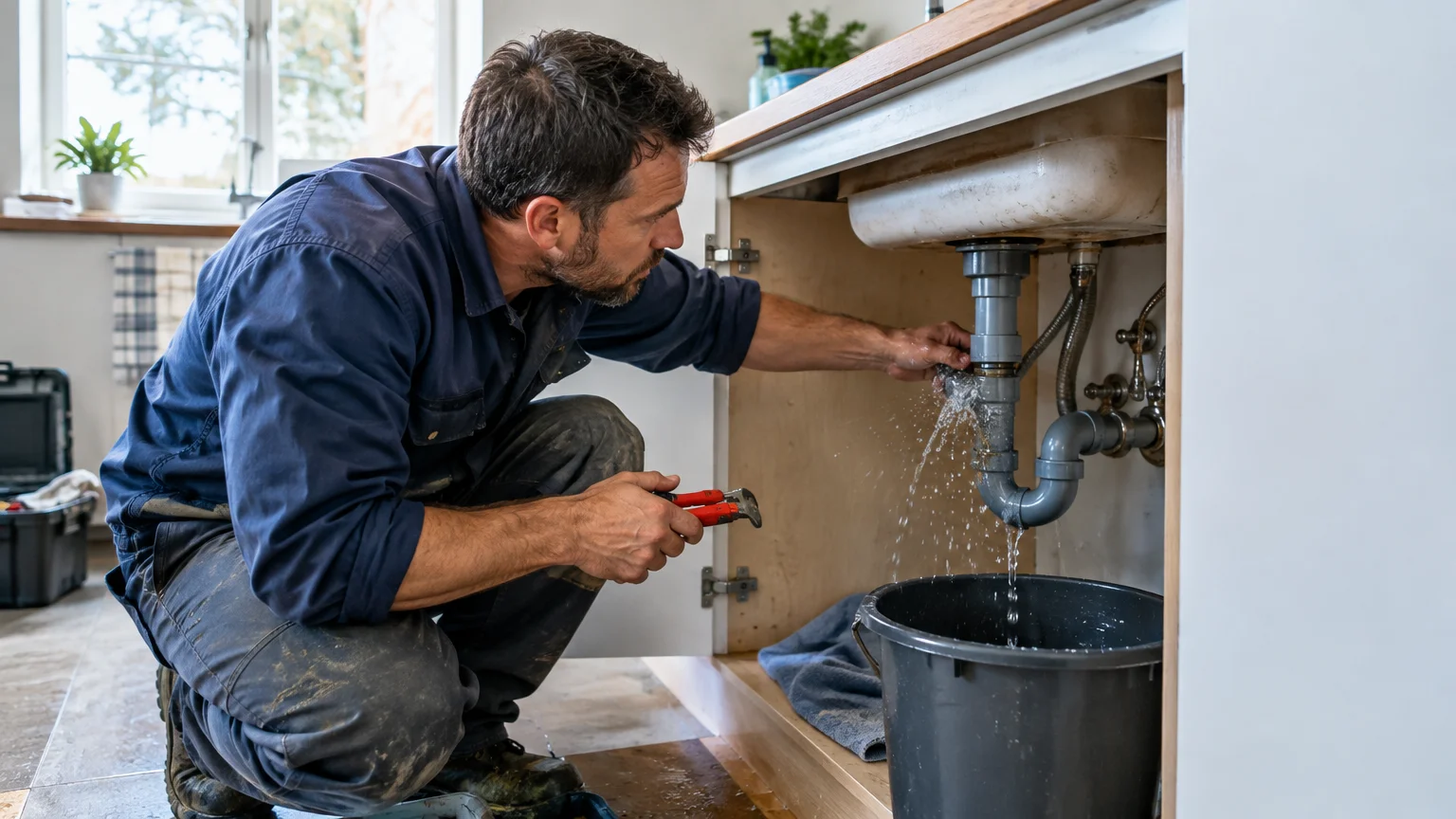
Pipes burst when water pressure gets too high or a pipe becomes weak. Common causes include freezing, corrosion, clogs, high pressure, and accidental damage. Knowing why pipes burst helps Millbrae homeowners and property owners spot risks, protect their buildings, and act quickly when a pipe fails.
Why do pipes burst?
Pipes burst when water pressure pushes against a weak or blocked area. A pipe can also split because it has worn out or been damaged. The cause may be hidden, since pipes often run behind walls, under floors, or underground.
How can freezing temperatures and pressure changes damage pipes?
Water inside a pipe expands when it freezes. That pressure can crack the pipe, especially in unheated places such as crawl spaces, garages, and outside walls. A tap that slows or stops during cold weather may mean the line is frozen. In Millbrae, exposed pipes need protection during cold spells. Never use an open flame to thaw a pipe. It can start a fire or harm the pipe.
A sudden change in water pressure can also strain pipes and joints. Pressure that stays too high may wear down connections over time. A plumber can check the system and find out whether pressure needs attention.
How do corrosion, aging, and poor installation lead to pipe failure?
Corrosion is damage that slowly wears away metal. Older copper pipes can develop weak spots as they age and react to water conditions. Plastic pipes can crack or fail too, especially if they are damaged, poorly held in place, or joined the wrong way.
Plumbing fittings need firm joints to carry water without leaks. A poorly fitted joint may loosen or fail as the system is used. The right PVC pipes and fittings depend on where a pipe sits and what flows through it. Vent pipes also need sound support and joints. A damaged vent does not carry household water, but it can still cause plumbing trouble. Millbrae Plumbing can help find pipe and joint problems before they lead to a larger leak.
What other problems can cause pipes to burst?
Clogs, high pressure, shaking, soil movement, and impact can all harm pipes. Some problems build over time, while others cause a sudden break. Finding the cause matters because fixing only the visible leak may leave the main problem in place.
How can clogs, high water pressure, and water hammer stress pipes?
A clog stops water from flowing as it should. A blockage in a drain can make water back up or spill from a fixture. A blocked drain does not always cause a pipe to burst, but repeated backups can add strain and point to a problem that needs care. Drain cleaning can help when slow drains or backups keep returning.
High water pressure can strain pipes, joints, and appliances. Signs may include banging pipes, leaking joints, or faucets with a strong flow. Water hammer means a sharp bang that happens when moving water stops or changes direction quickly. Loose pipes may make the sound louder. Repeated shocks can harm joints over time.
How can shifting soil, tree roots, and accidental damage break pipes?
Underground pipes and joints can move when soil shifts or settles. Tree roots may grow into a damaged drain line through an opening. Roots can then block the line or make the damage worse. Digging, building work, or heavy items can also crush or puncture buried pipes.
Inside a home, a nail or screw may hit a pipe behind a wall. Have a leak checked soon if it starts after home repairs. Low water pressure can have several causes, such as a leak, a clog, or a problem with the water supply. A licensed plumber can test the system and find the source instead of guessing.
How can you prevent pipes from bursting?
Homeowners can lower the risk of pipe failure with simple checks and basic care. Protect pipes you can see, watch for leaks, and notice changes in pressure or flow. A plumber should check damage, repeat leaks, or problems that are hard to reach.
What maintenance helps protect pipes from pressure, corrosion, and blockages?
Homeowners can look for damp spots, rust-colored marks, slow drains, and loose pipe supports. They can clear normal debris from drain strainers and keep grease or bulky waste out of drains. These simple checks do not need a professional when they are safe and easy to do.
Do not open walls, cut pipes, or use harsh tools to clear a deep clog. These jobs can cause more damage or expose hidden risks. A plumber can check water pressure, worn joints, and signs of corrosion. Paying attention to small leaks may help keep water from harming floors, cabinets, and walls.
How should you prepare plumbing for freezing weather or an extended absence?
Before freezing weather, close drafts near exposed pipes and keep at-risk spaces warmer. When it is safe, let warm air reach pipes in cabinets and other closed spaces. If your home will be empty during cold weather, ask someone to check it. Make sure you know where the main water shutoff is.
If a pipe freezes, do not keep running water through a line that may have split. Shut off the water if you see a leak, then have a plumber check the pipe. Homeowners can take these basic steps, but hidden pipes and damaged lines need professional care.
Key takeaways
- Freezing, corrosion, high pressure, and physical damage can weaken pipes.
- Banging sounds, leaks, slow drains, and low water pressure need attention.
- Homeowners can do simple checks, but should not cut or heat damaged pipes.
- Learn where the main water shutoff is before a plumbing emergency.
What should you do if a pipe bursts?
A burst pipe needs quick action to limit water damage. First, stop the water if it is safe. Then move belongings away from the leak and arrange professional repair. Millbrae Plumbing serves homeowners and property owners with urgent pipe problems.
How can you limit water damage before a plumber arrives?
Follow these steps in order, as long as it is safe:
- Shut off the water. Use the main shutoff valve if the leak is large or you cannot find its source.
- Stay away from electrical hazards. Do not enter standing water near outlets, appliances, or electrical panels.
- Move belongings and catch drips. Protect items only if the area is safe to enter.
- Open a faucet with care. This may drain some water left in the pipes after you shut off the supply.
- Contact an emergency plumber. Explain what is leaking and what you have done so far.
Do not touch wet electrical equipment or try to patch a burst pipe with household tape. If water is near electrical systems, leave the area and seek emergency help. Take photos of damage only when it is safe.
When is a burst pipe an emergency that needs immediate professional repair?
A pipe spraying water, flooding a room, or leaking inside a wall needs prompt professional care. The same applies if the shutoff valve does not stop the flow or water is near electrical equipment. Even a small drip can harm a building if it keeps going or comes from a hidden pipe.
Frequently Asked Questions
What should someone do if a water heater is leaking from the bottom?
A leak at the bottom may come from a joint, drain valve, or the tank. Keep away from hot water, and shut off the water supply if it is safe. Turn off power or fuel only if the controls are easy to reach and safe. A qualified plumber can find the cause.
How can someone check for a gas leak?
If someone smells gas or thinks there may be a leak, they should leave right away. Do not use switches, flames, phones, or appliances inside. Once outside, contact the gas utility or emergency services. Do not try to find the leak or test a gas line yourself.
Can a homeowner fix a toilet that keeps running?
A homeowner can check whether the toilet handle is stuck or the tank chain is caught. If the problem stays, the fill valve or flapper may need care. Shut off the toilet’s water supply if it leaks or will not stop running. Arrange repair if a simple check does not fix it.
Can low water pressure mean there is a pipe leak?
Yes, a leak can lower water pressure, but it is not the only cause. A clogged fixture, valve problem, or water supply issue may also reduce flow. Check whether pressure is low at one fixture or throughout the property. A plumber can test the system and find a hidden leak.
A burst pipe can cause serious damage, but quick action can limit how far water spreads. Basic care can help you spot risks, while frozen, corroded, or damaged pipes need proper repair. For burst pipe repair, Contact us today to arrange help from Millbrae Plumbing.
If you are not sure what you are dealing with, it is worth having someone look at it before it turns into a bigger job. Get in touch with Millbrae Plumbing today and we will tell you where you stand.