A plumbing inspection checklist for home buyers helps find leaks, weak water flow, drain trouble, water heater faults, damaged pipes, and sewer concerns before closing. Check visible fixtures, valves, access points, and warning signs. Hire a qualified plumber when testing needs tools, cameras, gas checks, or safe repairs.
Table of Contents
- What should home buyers check during a plumbing inspection?
- How do you inspect the home’s water supply and water pressure?
- How can you check faucets, sinks, toilets, and drains for problems?
- What should you look for in the water heater?
- How do you inspect pipes, sewer lines, and plumbing access points?
- Which plumbing issues should influence a home purchase decision?
- When should a home buyer hire a professional plumber?
- Frequently Asked Questions
What should home buyers check during a plumbing inspection?
Home buyers should check water flow, drains, toilets, visible pipes, shutoff valves, fixtures, and the water heater. Look for stains, damp spots, mold-like growth, rust, poor repairs, and odd smells. A careful walkthrough can find warning signs, but it cannot replace a full professional inspection.
How to prepare for a property plumbing walkthrough
Ask the seller or agent if all plumbing areas are open. This includes bathrooms, kitchens, utility rooms, basements, crawl spaces, garages, and outdoor hose connections. Stored items can hide leaks, so list blocked areas in the inspection report.
Bring a flashlight, paper, and a phone for notes. The goal is not to take equipment apart. Use normal controls only. Avoid electrical panels, gas fittings, sealed parts, and damaged surfaces. Do not turn on water if the home has a known leak or unsafe condition.
Test fixtures in more than one room. A home may have good flow at one sink and weak flow elsewhere. Write down which fixtures were tested, which could not be reached, and which showed trouble. This gives the inspector, seller, and closing team a clear list.
Which plumbing components deserve the closest attention?
Pay close attention to the main water supply, visible pipes, drain lines, toilets, sinks, showers, tubs, water heater, sump equipment, and sewer access points. Old, rusty, patched, or hard-to-reach parts need extra care. Plumbing near finished walls and floors also deserves close review.
A useful checklist includes:
- Main shutoff valve and visible water meter connections
- Supply pipes under sinks and behind toilets
- Faucets, shower valves, tubs, and drain openings
- Toilets, cleanouts, floor drains, and exposed sewer lines
- Water heater tank, connections, valves, and drain pan
- Basement, crawl space, attic, garage, and cabinet areas
Millbrae Plumbing can help property owners understand which concerns need prompt attention after a walkthrough. Ask for written findings and clear photos before deciding how to proceed.
How do you inspect the home’s water supply and water pressure?
Check the main shutoff, visible pipes, meter area, and flow at several fixtures. Water pressure should feel steady, not weak or too forceful. Sudden changes, banging pipes, or slow filling may point to a supply, valve, pressure, or pipe problem.
Checking the main shutoff valve, meter, and visible supply pipes
The main shutoff controls water entering the home. It may be near the water meter, where the supply line enters, or in a utility area. The valve should be easy to find and reasonably easy to reach. A stuck valve can make an emergency leak harder to control.
Look for mineral buildup, rust, active drips, wet soil, or a damaged valve box. The meter area should not have standing water or signs of recent digging. Check visible pipes for green marks, white deposits, heavy rust, swelling, or temporary clamps.
Pipe material can give useful clues, but it does not prove the system is safe or faulty. Homes may have copper, plastic, galvanized steel, or other approved materials. A professional should check pipe condition when materials are mixed or older sections are hidden inside walls.
Recognizing signs of low or excessive water pressure
Low pressure may show as a weak shower, slow faucet flow, or a toilet that fills slowly. Causes can include a partly closed valve, blocked fixture screen, damaged pressure regulator, supply restriction, or failing pipes. The same sign can have different causes.
High pressure may cause noisy pipes, leaking fixtures, damaged appliances, or repeated valve failure. Do not adjust a pressure regulator without help. An inspector or plumber can test pressure with the right gauge and explain what the result means.
Consider pressure across the whole home. One blocked aerator is less serious than poor flow at every fixture. Note when pressure changes, whether several fixtures are affected, and whether the problem starts when water runs in another room.
How can you check faucets, sinks, toilets, and drains for problems?
Run cold and hot water, check connections, flush toilets, and watch drains empty. Look below cabinets and around fixture bases for dampness, stains, swelling, odors, and new caulk. A slow drain or running toilet may need a small repair, or it may point to a larger system problem.
Testing fixtures for leaks, flow, and drainage
Each faucet should open smoothly and give a steady stream. Check the handle, spout, supply connections, shutoff valves, and cabinet floor. Water should not collect around the faucet base or drip after the handle is closed.
Sinks, showers, and tubs should drain without backing up. A short delay may come from a dirty stopper or screen. Repeated slowing may point to buildup deeper in the line. Do not use chemical drain cleaners during an inspection. They can hide symptoms and create safety risks.
Toilets should flush fully and refill without running. A toilet that keeps running may have a worn flapper, faulty fill valve, poor chain setting, or another internal problem. Water moving in the bowl when the toilet is unused may mean the fixture is wasting water.
Identifying hidden moisture and recurring blockage warning signs
A musty smell, soft cabinet base, bubbled paint, stained ceiling, or warped floor can suggest hidden moisture. Check the room below bathrooms and kitchens when access is available. A small stain may show that water traveled farther than the fixture.
Recurring blockage signs include gurgling, slow drainage in several fixtures, water rising in a tub when another fixture runs, and foul sewer smells. These signs may point beyond one drain. A professional may need to check the building drain or sewer connection.
Basic cleaning is often safe for a homeowner. You can remove a sink stopper, clean a faucet screen, or clear hair from a shower drain. Stop and seek help when water backs up, a pipe is damaged, sewage is present, or the blockage returns quickly.
What should you look for in the water heater?
Check the water heater for leaks, corrosion, damaged connections, unsafe clearances, missing parts, and poor upkeep. Record the unit type, fuel source, location, condition, and service history. Water Heater Repair may be needed when the unit cannot heat water safely or consistently.
Inspecting the tank, connections, valves, and surrounding area
The tank or cabinet should be dry and free from heavy rust. Water around the base can signal a tank leak, valve leak, drain issue, or condensation problem. Confirm the cause before deciding that the unit needs replacement.
Connections should not have active drips or heavy mineral deposits. The temperature and pressure relief valve should not be blocked, capped, or leaking. A discharge pipe should be present when required. Do not test, remove, or change safety parts yourself.
Keep the area around the heater clear enough for service. Fuel-burning units need safe airflow and proper space around them. Gas odors, soot, damaged wiring, scorch marks, or unusual sounds need urgent attention. If you smell gas, leave the area and contact the gas utility or emergency services as needed.
Questions about age, maintenance, fuel type, and performance
Ask when the water heater was installed, what fuel it uses, and whether it has been repaired or maintained. Model and serial information can help a professional identify the unit and its parts. Ask the seller for available service records.
Also ask whether hot water runs out quickly, changes color, smells unusual, or takes too long to arrive. An anode rod helps protect many storage tanks from rust. Anode Rod Replacement Water Heater service may help when the tank needs care and remains suitable for use.
Judge a water heater by safety, condition, capacity, access, and expected service needs. Rely on a qualified inspection rather than appearance alone. Millbrae Plumbing can help property owners review water heater concerns and choose a suitable next step.
How do you inspect pipes, sewer lines, and plumbing access points?
Check exposed pipes, cleanouts, drain connections, crawl spaces, basements, and other access points for leaks, rust, poor repairs, and freeze damage. A visual check cannot see inside buried or enclosed lines. A sewer camera inspection may help when the home is older or warning signs are present.
Spotting corrosion, leaks, poor repairs, and freeze damage
Corrosion can appear as flaking metal, green marks, white deposits, or swollen joints. A repair patch may be sound, but loose clamps, tape, stains, or mixed temporary materials need review. Old water stains should still be noted, even when the leak has stopped.
Freeze damage may cause split pipes, cracked fittings, bulging sections, or leaks when water flows again. Pipes near outside walls, garages, crawl spaces, and other cold areas need careful attention. Insulation can protect pipes but cannot fix damage that is already there.
Access points should be visible and usable. A buried cleanout, blocked valve, or sealed panel can make future service harder. Ask whether plumbing areas were remodeled, enclosed, abandoned, or repaired after water damage.
When a sewer camera inspection or specialist assessment is appropriate
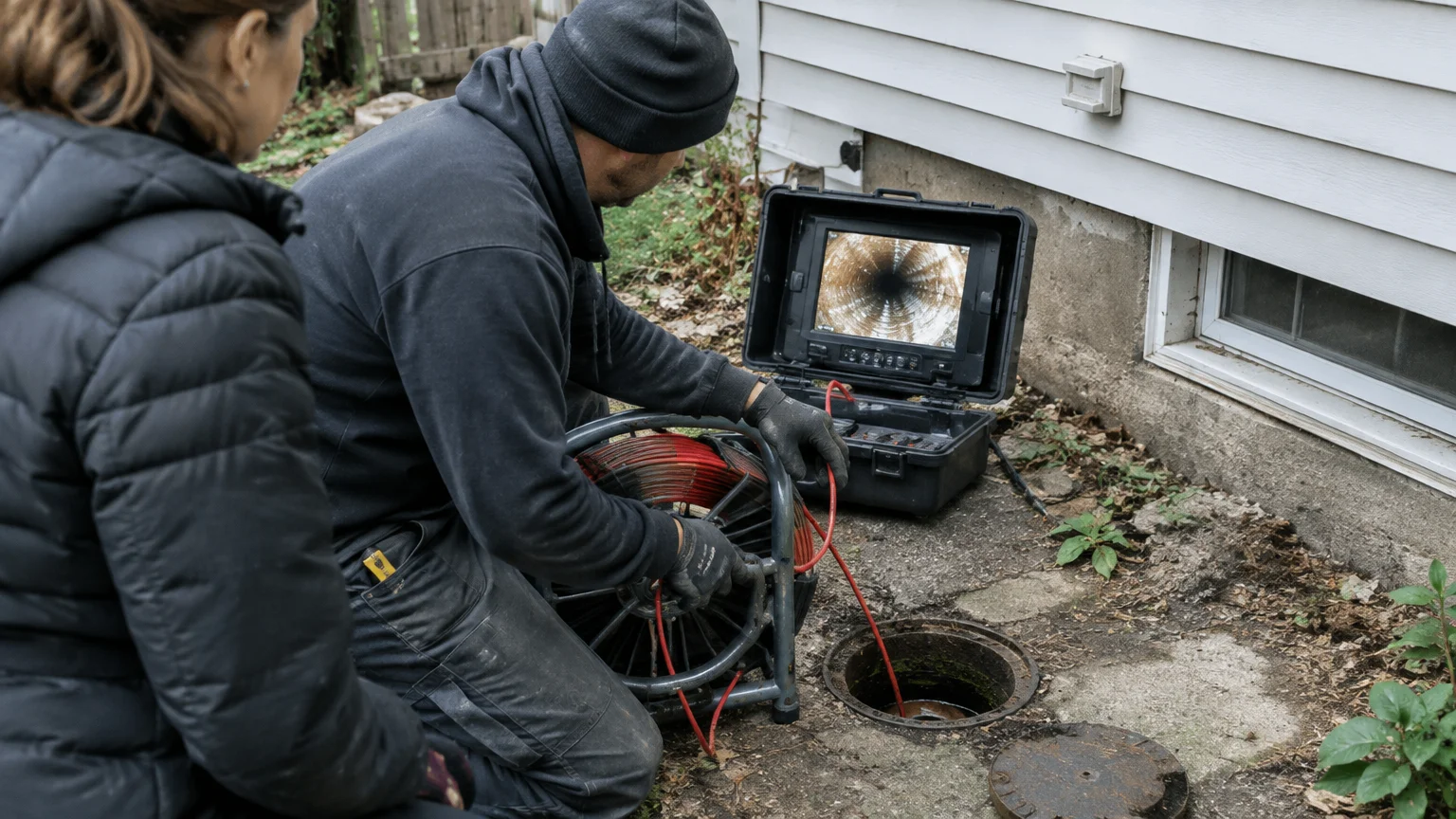
A sewer camera inspection shows the inside of a building sewer line. It may help when drains back up, several fixtures drain slowly, large trees grow near the line, or the home has older underground pipes. A camera can show breaks, roots, offsets, heavy buildup, and separated joints.
A specialist assessment can also help when there are repeated leaks, odd smells, unexplained moisture, or a damaged sewer cleanout. Ask for written findings and images when possible. The report should explain each concern’s location and likely seriousness.
Do not assume that a clear indoor drain means the sewer line is sound. Problems can stay hidden until the system is used heavily. A professional can explain whether more testing makes sense before the inspection period ends.
Which plumbing issues should influence a home purchase decision?
Plumbing issues should affect a purchase decision when they involve safety, water service, building materials, sanitation, or future reliability. Small upkeep needs differ from active leaks, failed water heaters, damaged sewer lines, or unsafe gas plumbing. Weigh each finding with the inspection report and condition of the home.
Separating routine maintenance from urgent or major defects
Routine items may include a worn faucet washer, loose toilet handle, dirty aerator, slow stopper, or minor caulk failure. These belong in a maintenance plan, but they may not change the purchase decision alone. A professional can confirm whether the issue is small or part of a larger pattern.
Urgent concerns include active leaks, sewage backup, unsafe gas conditions, major water damage, no usable shutoff, severe corrosion, and a water heater leaking from its tank. Several fixtures with poor drainage may point to a main-line problem. These findings need prompt review before closing.
Findings that deserve careful review include:
- Water damage inside walls, ceilings, floors, or cabinets
- Repeated drain backups or sewer odors
- Unsafe gas connections or suspected gas leaks
- Failed shutoff valves or inaccessible plumbing controls
- Severe pipe corrosion, freeze damage, or poor repairs
- A leaking or unsafe water heater
How inspection findings can affect negotiations and closing plans
Do not make promises based on a quick visual check. The inspection report should describe the symptom, location, likely cause, and next step. A licensed professional can give a clearer view when a defect may affect safety or use of the home.
The buyer, seller, agent, and closing team can then decide how the finding fits the purchase agreement. Some concerns may need repair, more testing, records, or a change to the closing plan. Keep reports, service records, photos, and written advice.
A home with plumbing defects is not always a poor purchase. The key is knowing the condition and planning for the work. Millbrae Plumbing serves Millbrae, including Downtown Millbrae and Millbrae Meadows, as well as nearby communities. Its team can help identify concerns before a property changes hands.
When should a home buyer hire a professional plumber?
Hire a professional plumber when a visual check finds active leaks, sewage, gas concerns, poor pressure, repeated blockages, hidden moisture, unsafe water heater conditions, or damaged supply and sewer pipes. Professional testing also helps when you need a clear report before an inspection deadline.
Limits of a visual inspection and do-it-yourself testing
A homeowner can safely run fixtures, inspect open areas, clean screens, remove a simple drain stopper, and check whether a toilet keeps running. These steps help find symptoms. They do not prove that hidden pipes, sewer lines, gas fittings, or water heater safety parts are sound.
Do not open walls, enter unsafe crawl spaces, test gas lines with a flame, remove relief valves, repair electrical wiring, or use harsh chemicals to force a drain open. If you smell gas, leave the property and contact the gas utility or emergency services. A qualified professional can perform the right leak test.
Do not cover stains or make repairs before the condition is recorded. Clear photos and notes help show what was found. A professional can explain whether a toilet repair, water heater repair, drain assessment, gas line plumbing review, or wider inspection is needed.
Key takeaways for documenting plumbing concerns before closing
Record the fixture, symptom, location, date, and any change during testing. Separate facts from guesses. For example, “water appears below the sink” is more useful than saying the supply pipe has failed without testing.
Key takeaways:
- Test several fixtures, not only the easiest sink.
- Check visible pipes, valves, drains, toilets, and heater areas.
- Treat sewage, gas odors, active leaks, and unsafe equipment seriously.
- Use a professional for hidden lines, pressure tests, gas checks, and sewer cameras.
- Keep reports and photos before inspection or closing deadlines.
A careful checklist helps buyers ask better questions and avoid missed warning signs. It also gives the plumber useful information before a visit. Contact us today to arrange plumbing guidance for a property in Millbrae.
Frequently Asked Questions
How can a buyer tell if a house has plumbing problems?
Run several fixtures, flush toilets, watch drains, inspect cabinets, and look for stains, odors, rust, or damp areas. Slow flow in many fixtures, repeated backups, running toilets, and water heater leaks need more review. A visual walkthrough finds clues, but hidden defects may need professional testing.
How do you check for gas leaks in a home?
Never use a flame or electrical switch to test for gas. If there is a gas odor, leave the property and contact the gas utility or emergency services. A qualified plumber or utility worker can use approved tools to find and confirm a leak.
Why does a toilet keep running after it is flushed?
A toilet may keep running because its flapper does not seal, its fill valve is worn, or its chain is set poorly. The water level may also be wrong. You can look inside the tank, but a plumber should check the fixture when the issue returns or causes a leak.
Should a home buyer get a sewer camera inspection?
A sewer camera inspection may help when several drains are slow, backups occur, roots grow near the line, or the home has older underground pipes. It can also help when access points show damage or repairs. The camera gives a view that normal fixture testing cannot provide.
What should a buyer do when plumbing problems appear before closing?
Record each symptom, avoid unsafe repairs, and request a professional assessment when needed. The report should explain the location, condition, and next step. The buyer can then discuss the findings with the agent and closing team under the purchase agreement.
Conclusion
A home buyer’s plumbing review should cover water supply, pressure, fixtures, drains, toilets, the water heater, visible pipes, sewer access, and signs of hidden moisture. Simple checks can reveal useful clues. Professional testing is needed for gas lines, concealed pipes, sewer lines, serious leaks, and unsafe equipment.
The plumbing inspection checklist for home buyers works best when every finding is written down and reviewed before closing. Clear notes and qualified advice help buyers plan repairs, understand plumbing costs, and make better decisions about the home’s condition.
If you are not sure what you are dealing with, it is worth having someone look at it before it turns into a bigger job. Get in touch with Millbrae Plumbing today and we will tell you where you stand.